

Nano Banana 2.1 Review: Is It Actually Better Than Nano Banana 2?
Quick Answer
In our NIGHTSHIFT campaign test, Nano Banana 2.1 Premium was not a clear upgrade over Nano Banana 2 Premium.
Nano Banana 2 Premium produced the more reference-faithful first image and was faster across all three shared workflow stages. Nano Banana 2.1 Premium still handled sequential editing well, including a targeted jacket edit, a full rainy-environment edit, and a late-stage character correction.
The biggest lesson was that consistency and accuracy are not the same thing. Nano Banana 2.1 Premium kept its campaign stable across later edits, but it also preserved character identities that had already drifted in the first hero image.
For this workflow, I would approve character identity before building downstream. If one character drifts, start with a targeted correction before attempting broader identity repairs.
What Is Nano Banana 2.1?
For this review, I tested Nano Banana 2.1 Premium inside Astorie.
I compared it with Nano Banana 2 Premium and Nano Banana Pro Premium using the same campaign project instead of separate one-off prompts.
The main question was simple:
Can Nano Banana 2.1 handle a multi-character campaign from first generation through later edits without losing the details that matter?
How We Tested Nano Banana 2.1
I built a fictional nighttime running campaign called NIGHTSHIFT RUN CLUB.
The project used four reusable reference assets:
- three character sheets
- one running shoe sheet
Each character sheet showed the same person from three views: front, 3/4, and side. I kept each full sheet as one Element instead of cropping the views into separate images.
The characters also had clear identity anchors.
CHAR_01 had a clean black bob with no bangs. CHAR_02 had medium-length dark hair and a clean-shaven face. CHAR_03 had a sharp red bob and thin round glasses.
The shoe used an ivory upper, black sole, silver side stripes, and an orange heel tab.
The workflow was:
references → hero image → jacket edit → rain edit → identity correction
Nano Banana 2.1 Premium, Nano Banana 2 Premium, and Nano Banana Pro Premium all completed the same hero-generation, jacket-edit, and rain-edit stages.
The later identity-correction tests focused on Nano Banana 2.1 Premium and Nano Banana 2 Premium, so they were not a complete three-model comparison.
Each shared stage used the same upstream assets and the same editing instruction.
I also recorded the time from submitting each request to receiving the completed image.
These were first-attempt outputs. I did not regenerate until I found a better result.
That means the results below are practical examples from one controlled project, not a large benchmark.
Nano Banana 2.1 Premium vs Nano Banana 2 Premium
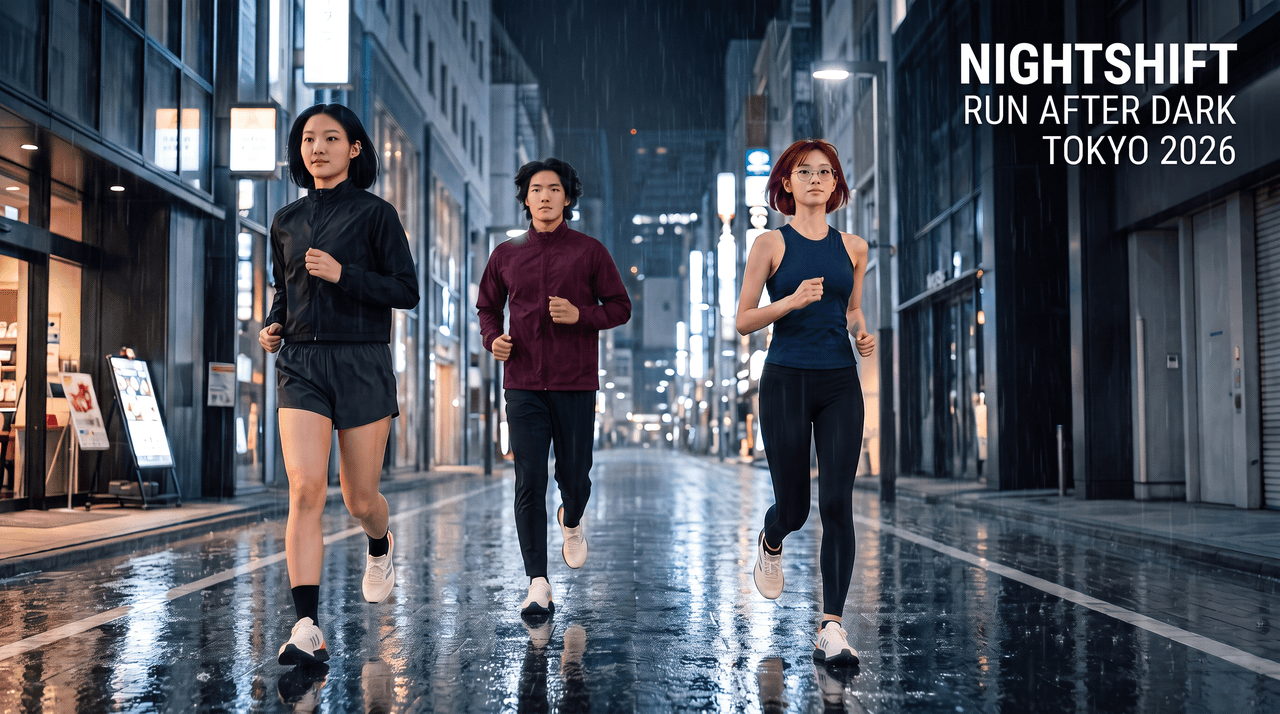
The first hero image produced the clearest surprise in the test.
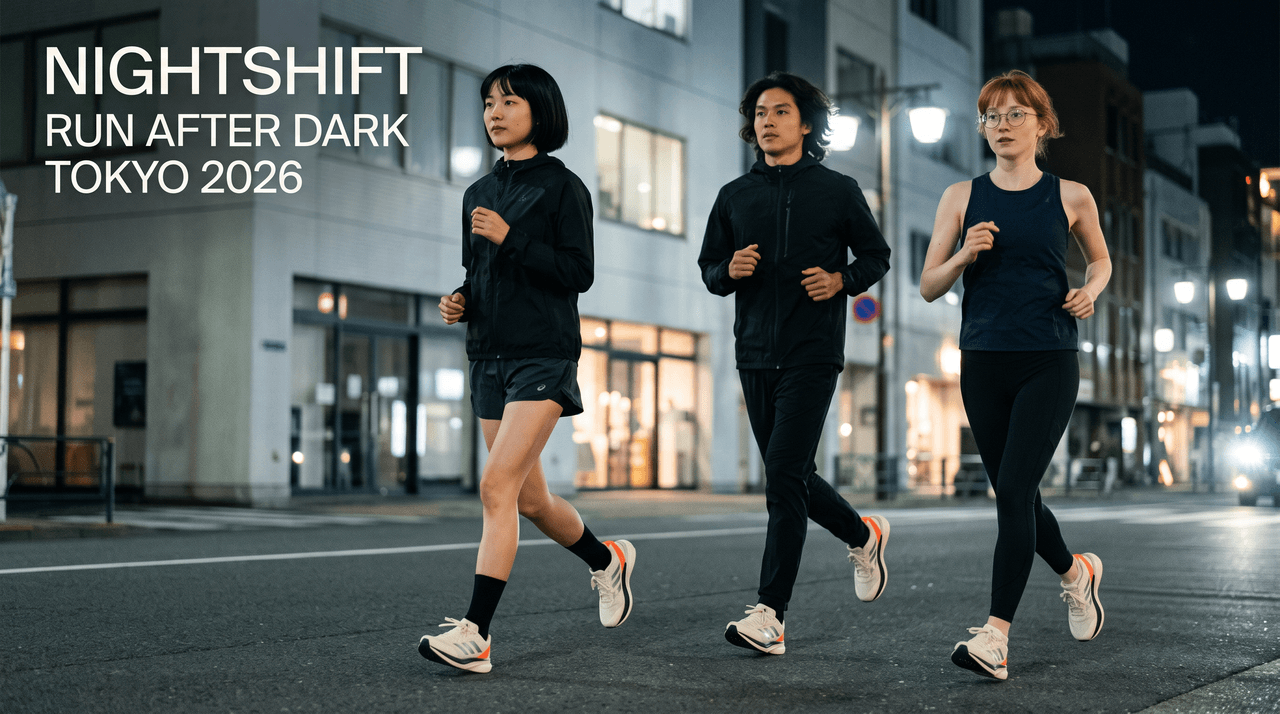
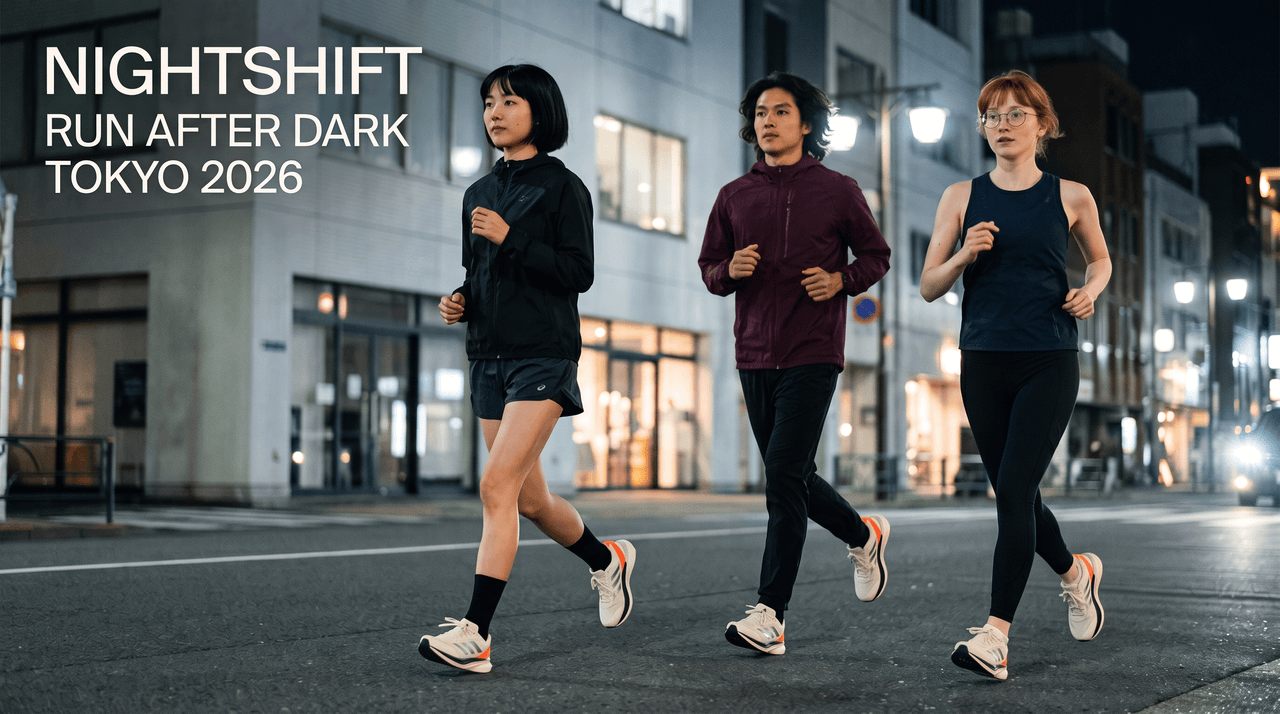
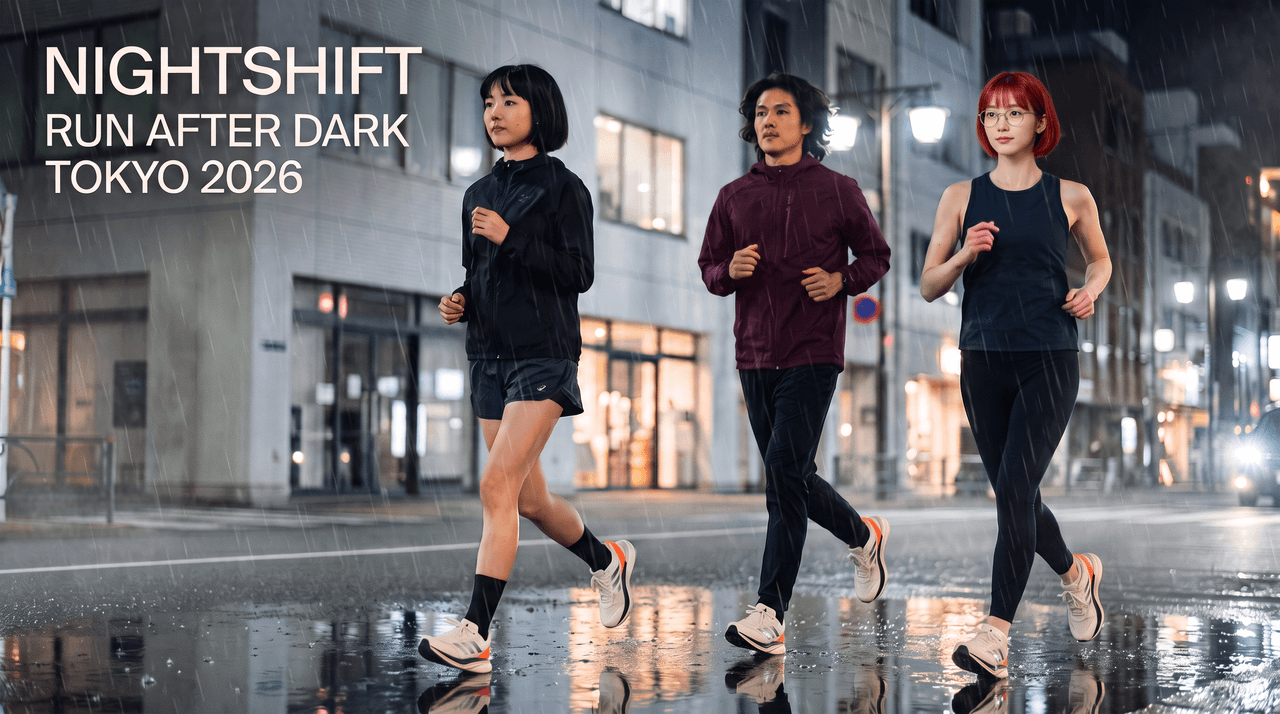
Nano Banana 2.1 Premium created a convincing nighttime sports campaign. The composition worked, the three runners were easy to separate, and the campaign text was correct.
But all three character identities drifted.
CHAR_01 gained bangs that were not present in the reference.
CHAR_02 developed visible facial hair even though the reference character was clean-shaven.
CHAR_03 changed the most. Her red bob became less faithful to the reference, and her facial appearance also shifted.
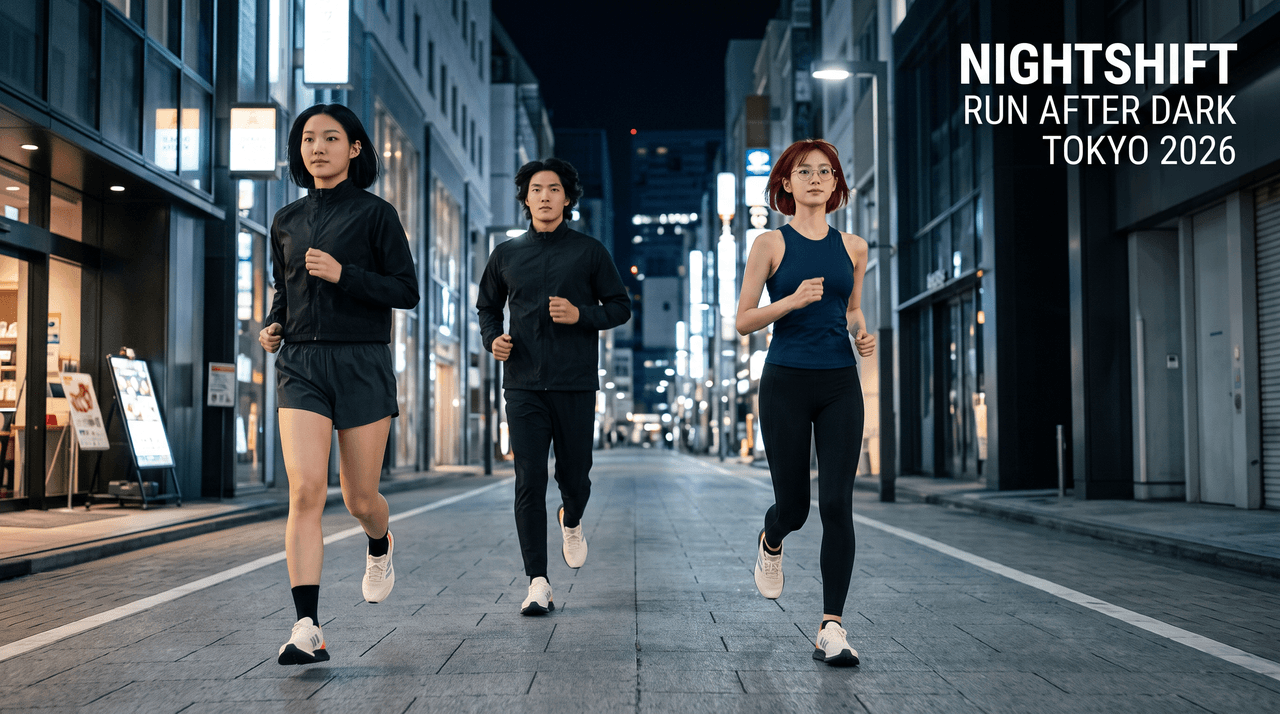
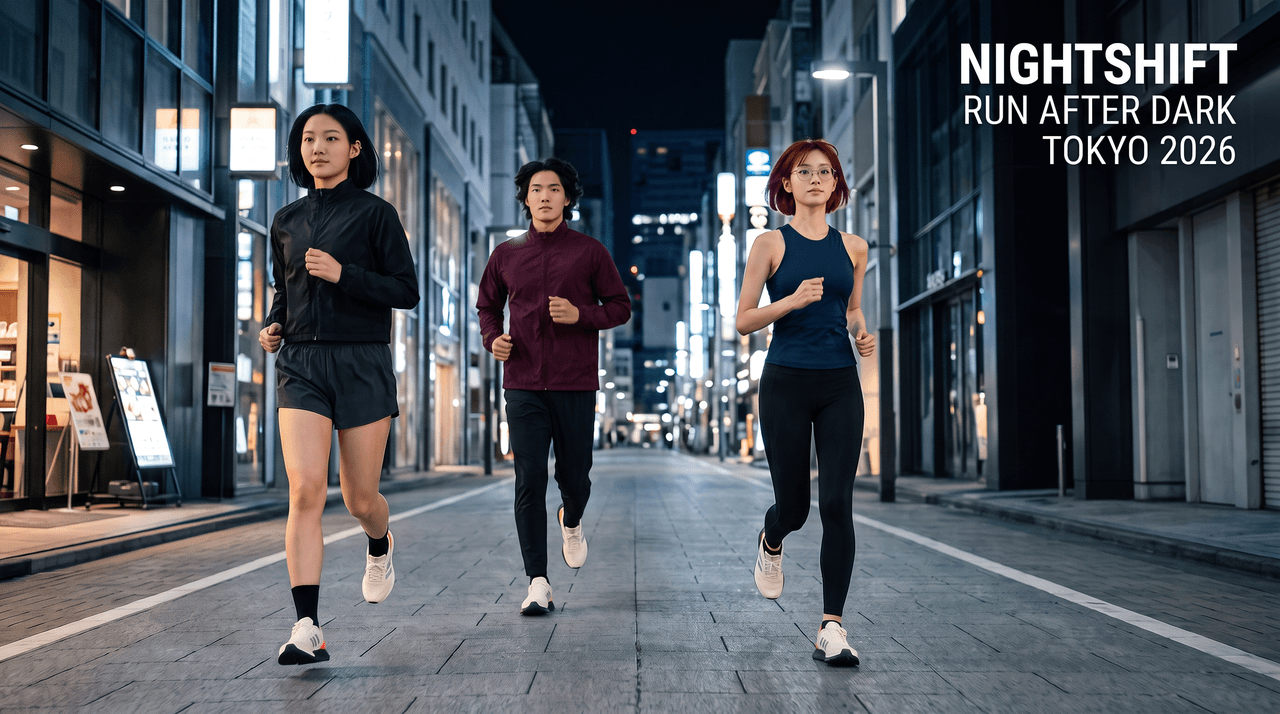
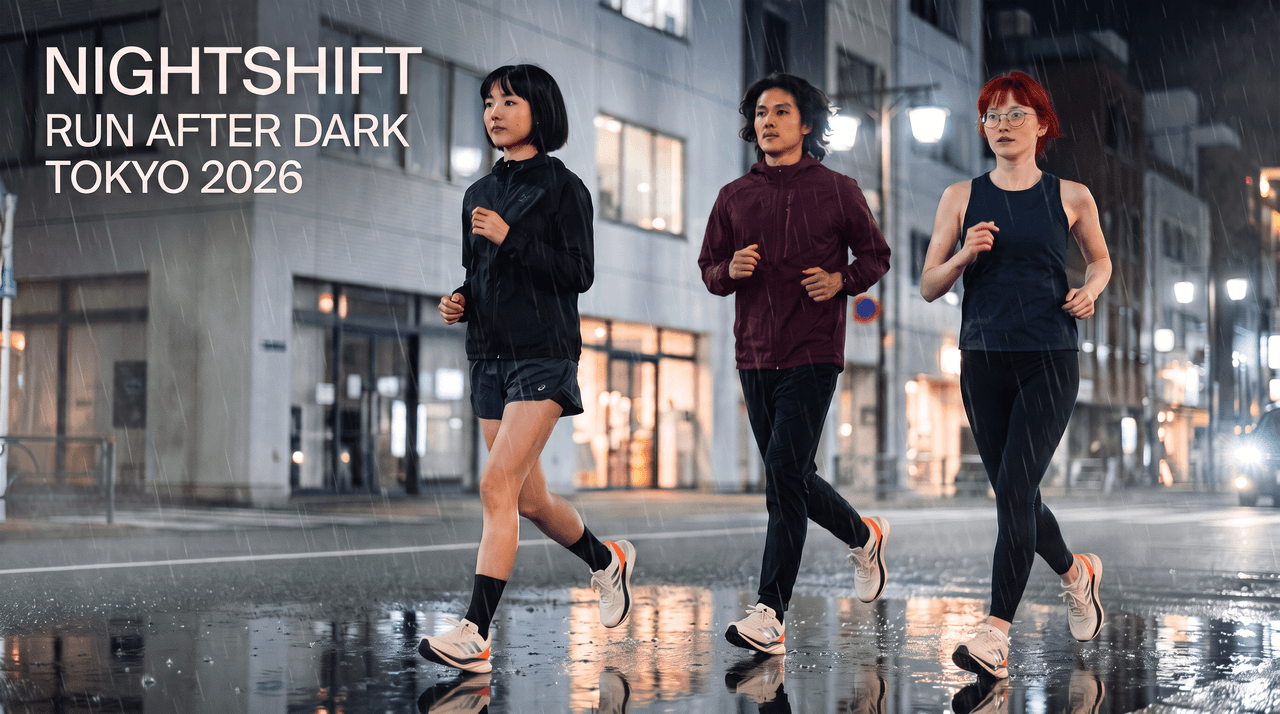
Nano Banana 2 Premium handled the same references more accurately.
Its CHAR_01 stayed closer to the clean no-bangs bob. CHAR_02 remained closer to the original face. CHAR_03 also preserved the red bob and glasses more clearly.
Both models rendered the requested campaign text correctly:
NIGHTSHIFT
RUN AFTER DARK
TOKYO 2026
The first-pass result was clear:
Nano Banana 2 Premium produced the more reference-faithful hero image in this test.
Nano Banana 2.1 Premium hero
Nano Banana 2 Premium hero
Nano Banana 2.1 Premium vs Nano Banana Pro Premium
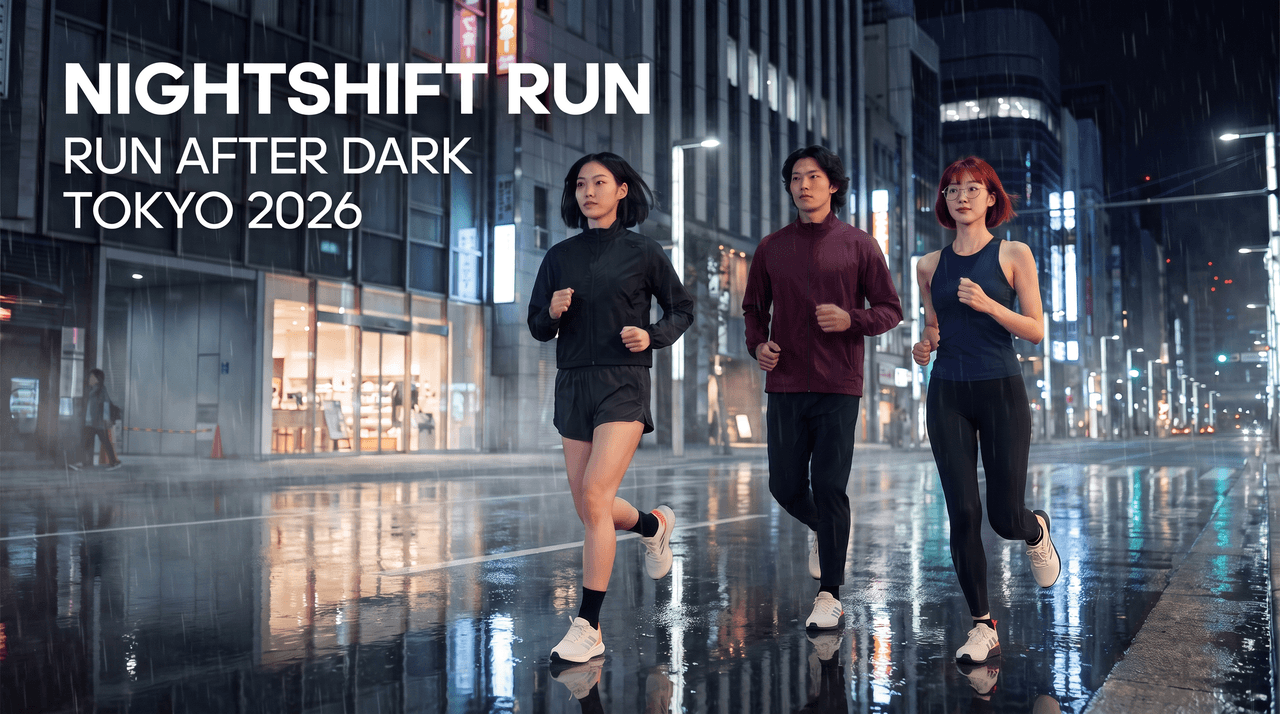
Nano Banana Pro Premium showed a different trade-off.
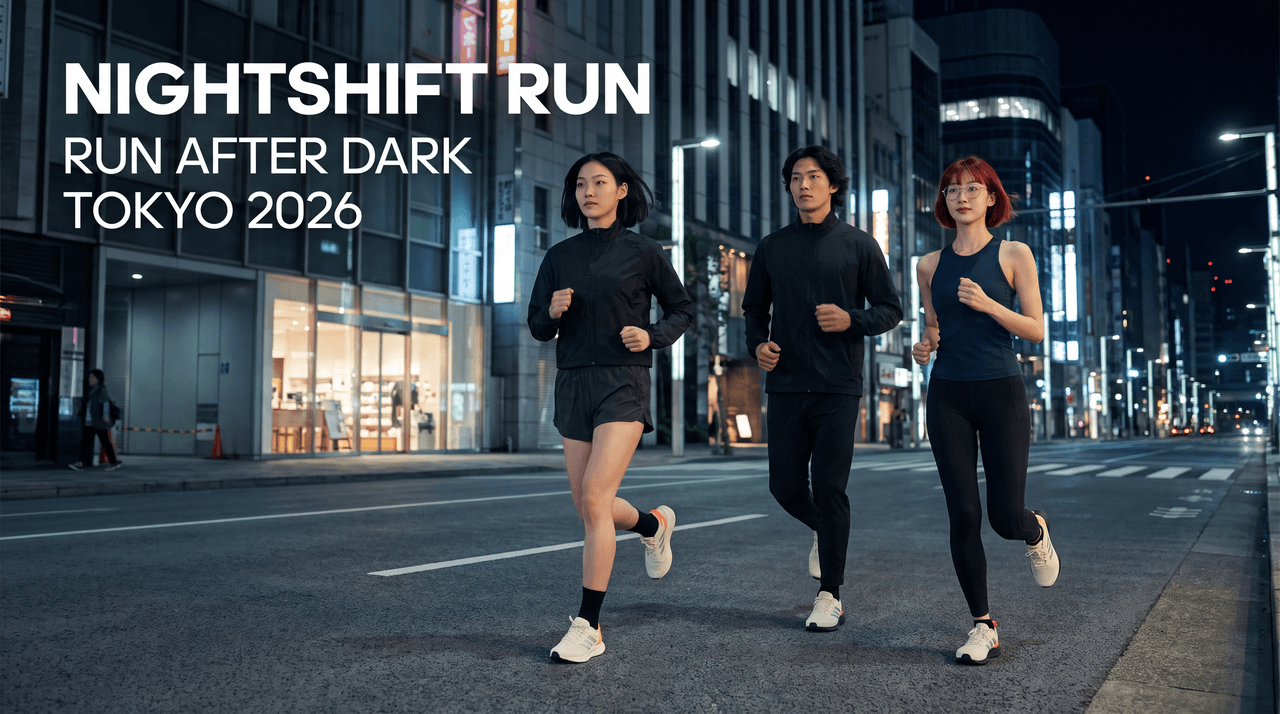
Its characters were generally more faithful than the Nano Banana 2.1 Premium result. CHAR_03 kept the red bob and glasses, and the three runners remained visually distinct.
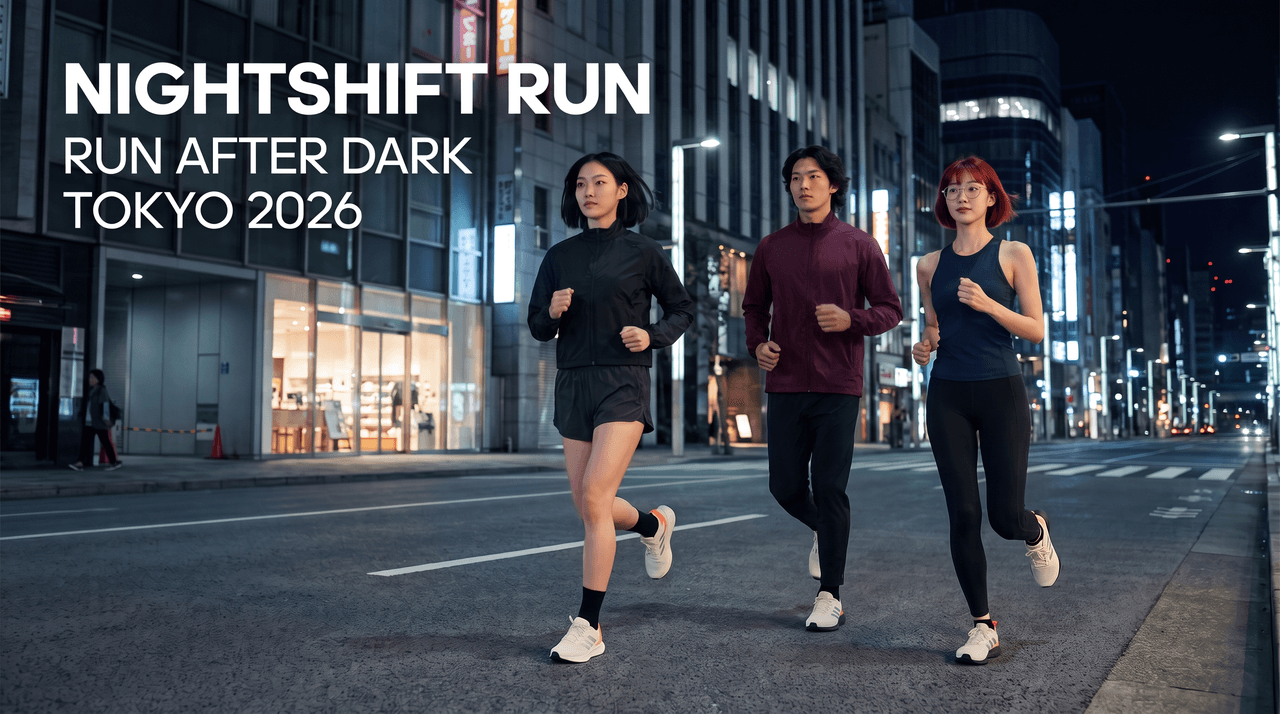
But it introduced the clearest typography error.
The required headline was:
NIGHTSHIFT
The Pro Premium image changed it to:
NIGHTSHIFT RUN
The rest of the image looked polished, but the copy was wrong.
That makes this a useful brand-production example:
Character fidelity and text accuracy need separate QA.
A model can handle one well and still fail the other.
Nano Banana 2.1 Premium hero
Nano Banana Pro Premium hero
How Good Is Nano Banana 2.1 at Multi-Turn Editing?
The first generation did not favor Nano Banana 2.1 Premium.
Editing was much closer.
Once the campaign existed, all three models handled the next two changes well.
Targeted Editing Was Easy for All Three Models
The first edit was deliberately narrow.
I asked each model to change only the center male runner's jacket from black to deep burgundy.
Everything else needed to remain unchanged.
All three models completed the edit successfully.
The correct jacket changed color. The runners stayed in place. The campaign text remained intact. The street, camera angle, shoes, and overall layout also stayed stable.
There was no meaningful quality winner here.
A simple localized color edit was not enough to separate the three models.
Nano Banana 2.1 Premium
Nano Banana 2 Premium
Nano Banana Pro Premium
A Larger Environment Edit Still Did Not Separate Them
I then continued from the jacket-edited images.
This time, I changed the dry nighttime street into a rainy scene with wet pavement and reflections.
The edit affected a much larger part of the image.
The runners, the burgundy jacket, the campaign copy, and the original composition all needed to survive.
Again, all three models handled the task well.
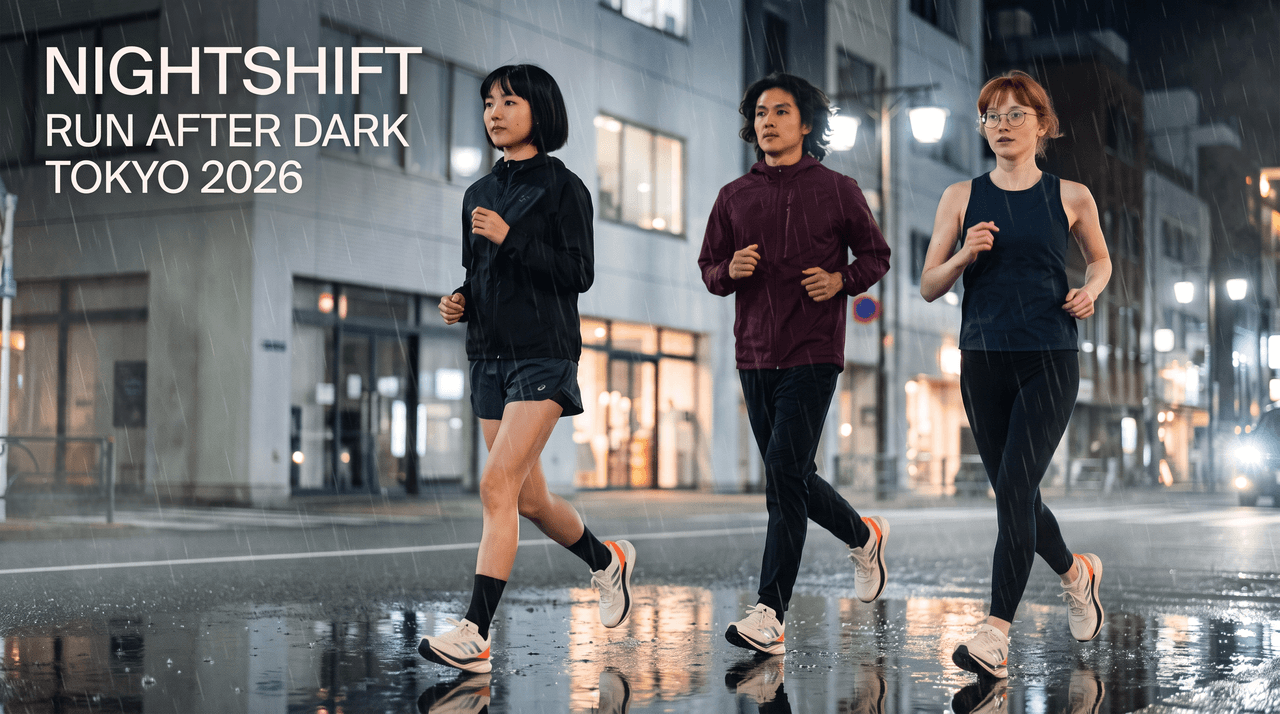
The pavement became wet. Reflections appeared under the runners. Rain was integrated into the scene without making the subjects look pasted on.
The runners also remained physically coherent with the new environment. Their scale, pose, and position stayed stable.
By this stage, Nano Banana 2.1 Premium was preserving the campaign well.
But so were the older models.
I still could not point to a clear Nano Banana 2.1 advantage in this part of the workflow.
There was also a useful failure case.
Nano Banana Pro Premium kept its incorrect NIGHTSHIFT RUN headline through both later edits.
That is consistency.
It is not accuracy.
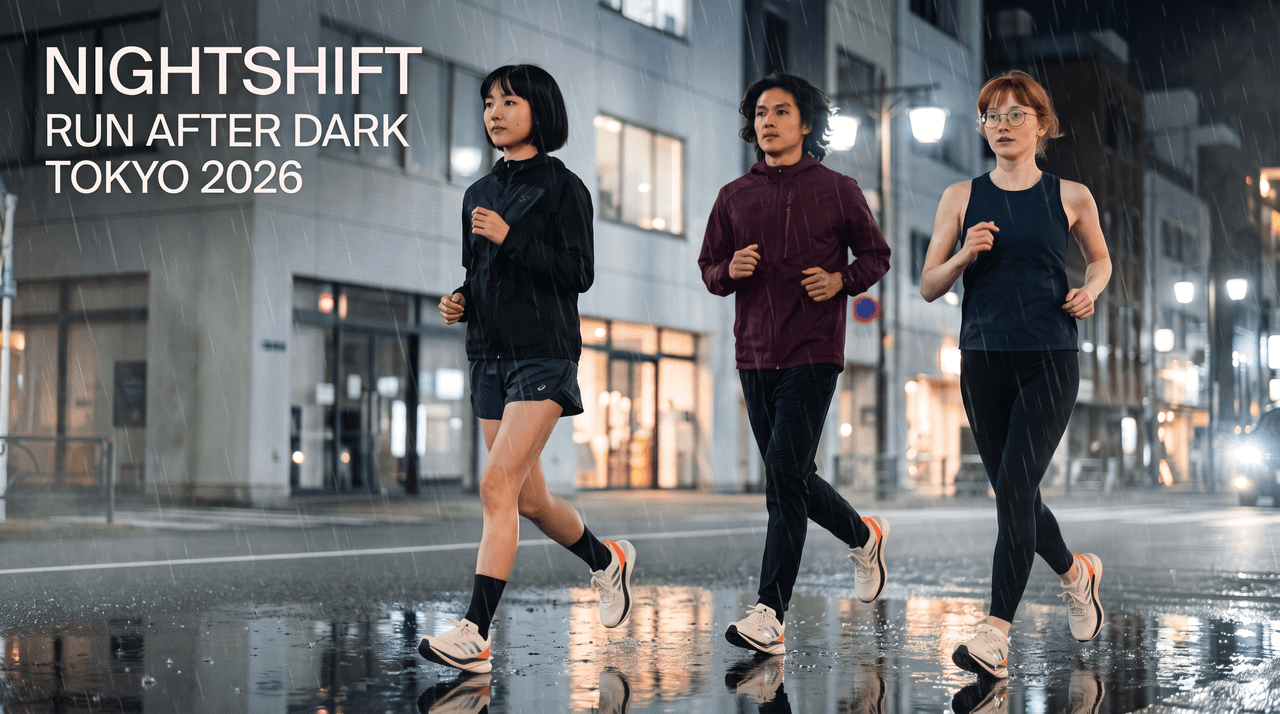
Nano Banana 2.1 Premium
Nano Banana 2 Premium
Nano Banana Pro Premium
Shared Workflow Speed
Across the three stages completed by all three models, Nano Banana 2.1 Premium was the slowest in this test.
Stage | Nano Banana 2.1 Premium | Nano Banana 2 Premium | Nano Banana Pro Premium |
Hero generation | 47s | 20s | 34s |
Jacket edit | 43s | 22s | 29s |
Rain edit | 43s | 20s | 28s |
These are single-run measurements from this project.
They should not be treated as a general speed benchmark.
The useful point is narrower: the newer model was not automatically the faster option in our workflow.
How Well Did Identity Correction Work?
The more interesting problem appeared after the rain edit.
Nano Banana 2.1 Premium had already drifted away from the original character references in the first hero image.
Instead of adding another visual effect, I reintroduced the reference for CHAR_03 and asked the model to correct only that person.
Single-Character Correction Worked
The result was noticeably better.
Nano Banana 2.1 Premium did more than make CHAR_03's hair red.
It changed her facial appearance, restored a sharper red bob, kept the glasses, and moved the character closer to the original reference.
The rest of the approved campaign stayed intact.
The rainy environment remained. The center runner kept his burgundy jacket. The composition also stayed almost unchanged.
Nano Banana 2 Premium handled the same single-character correction well.
Its CHAR_03 already started closer to the original reference, but the edit still strengthened the character identity without damaging the approved scene.
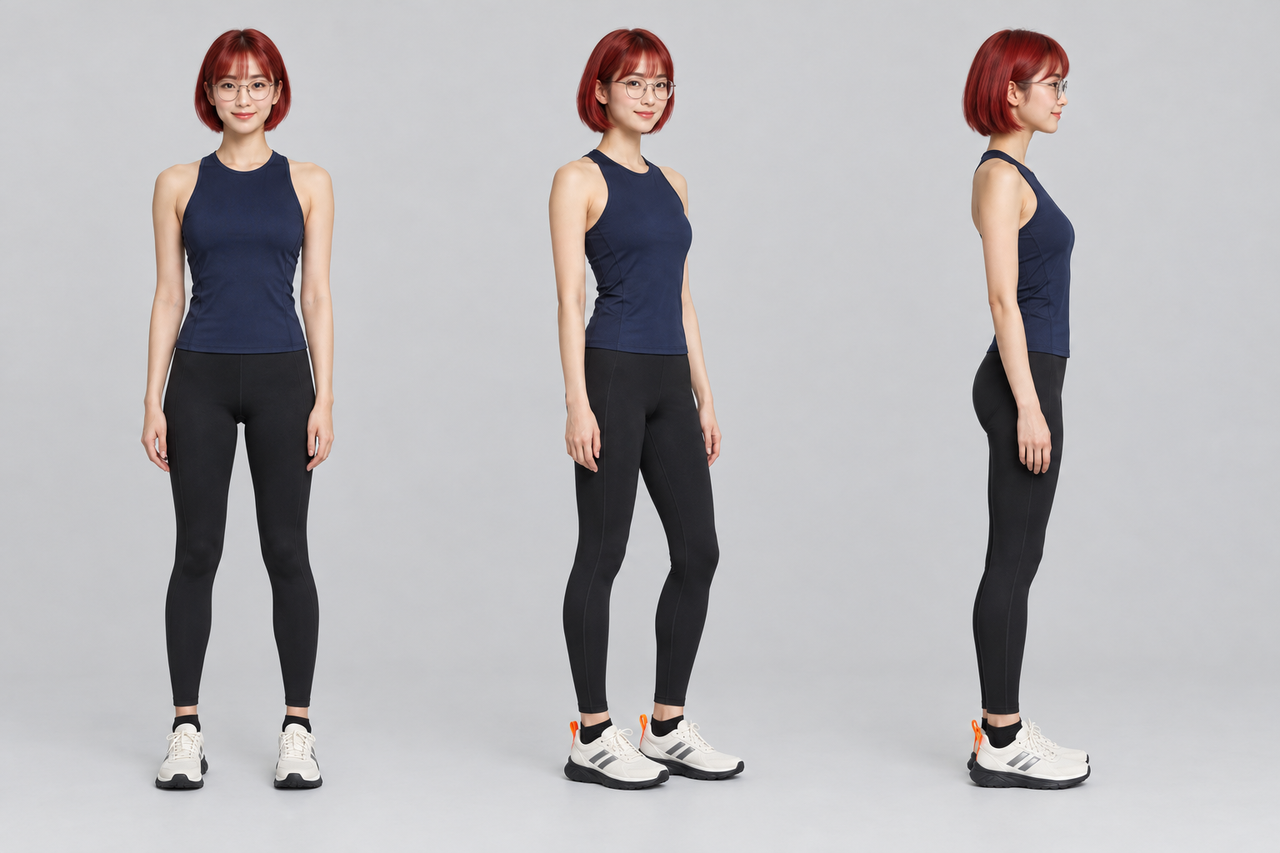
reference
pre-correction
single-character correction
This suggests a useful production approach:
When one character drifts, start with a targeted correction before attempting broader identity repairs.
Correcting Several Characters at Once Was Less Complete
I then asked Nano Banana 2.1 Premium to correct all three runners in one edit.
The result was weaker.
CHAR_01 still kept the added bangs.
CHAR_02 still kept the unwanted facial hair.
CHAR_03 moved closer to the reference, but the correction was less complete than when she was edited alone.
The model responded to the request, but it did not cover all three identity problems equally well.
I also ran a three-character correction with Nano Banana 2 Premium.
That comparison needs more caution.
Its CHAR_01 and CHAR_02 were already close to their references before the correction, so a lack of visible change does not necessarily mean the edit failed.
For that reason, I would not turn this single project into a general rule that single-character repair is always better.
The practical takeaway is narrower:
If a specific character has drifted, correct that character first before asking for broader identity changes.
single-character correction
three-character correction
What This Test Changed About My Workflow
The biggest lesson was not which model won.
It was when errors should be caught.
Approve Critical Details Before Building Downstream
The Nano Banana 2.1 Premium hero already contained identity drift.
The jacket and rain edits then preserved those characters very well.
That means successful downstream editing can make an early mistake more expensive, not less.
Before branching into later edits, I would now check:
- face
- hairstyle
- glasses or accessories
- clothing
- product details
- campaign text
If one of those is wrong, fix it before adding more approved steps.
Treat Consistency and Accuracy as Different QA Checks
This campaign gave us two independent examples.
Nano Banana 2.1 Premium preserved drifted characters.
Nano Banana Pro Premium preserved an incorrect headline.
Both were consistent.
Neither example was fully accurate.
For production work, I would separate two questions:
Did the asset stay stable?
and
Was the asset correct before it became stable?
That distinction matters more as the workflow gets longer.
Fix Errors Early
The timing of the error changed the repair cost.
If the hero image had been approved only after checking identity, the later jacket and rain edits could have built on a clean base.
Instead, a drifted character was carried through multiple successful edits before being repaired.
That made the correction harder and more expensive in workflow terms.
Nano Banana 2.1 Pricing and Access
This review used the models through Astorie.
At the time of this test:
- Nano Banana 2.1 Premium: 15 credits
- Nano Banana 2 Premium: 30 credits
- Nano Banana Pro Premium: 40 credits
That changes the interpretation of the results.
Nano Banana 2 Premium gave us the strongest first-pass character fidelity, but it cost twice as many credits as Nano Banana 2.1 Premium.
Nano Banana Pro Premium cost the most and still produced the clearest typography error in the first hero image.
So price and quality did not move in a simple straight line.
The better question is:
Which stage matters most in your workflow, and how much are you willing to spend to improve that stage?
Which Nano Banana Model Should You Use?
The three models made sense for different priorities in this project.
Priority | What our test suggested |
Lowest credit cost | Nano Banana 2.1 Premium — 15 credits |
First-pass multi-character reference fidelity | Nano Banana 2 Premium performed best |
Targeted editing | All three handled the task well |
Large environment editing | All three preserved the campaign well |
Single-character identity repair | Nano Banana 2.1 Premium and 2 Premium both worked |
Exact campaign text | 2.1 Premium and 2 Premium were correct in the hero test; Pro Premium introduced the clearest text error |
Fastest shared workflow in this test | Nano Banana 2 Premium |
Highest credit cost | Nano Banana Pro Premium — 40 credits |
For this project, Nano Banana 2.1 Premium had a clear economic advantage.
It cost 15 credits, compared with 30 credits for Nano Banana 2 Premium and 40 credits for Pro Premium.
Its weakness was first-pass character fidelity.
That makes it a more interesting option when lower generation cost matters and you are willing to inspect the first output carefully before continuing.
Nano Banana 2 Premium made more sense when getting the character references closer on the first try mattered more.
Compare Nano Banana Models
This test was easier to manage because the four reference assets only had to be prepared once.
I saved the three character sheets and the shoe sheet as reusable Elements in Astorie.
From those same upstream assets, I branched into Nano Banana 2.1 Premium, Nano Banana 2 Premium, and Nano Banana Pro Premium.
The comparison then remained connected to the actual project.
After the hero generation, each result could continue into its own jacket edit and rain edit instead of becoming an isolated test image.
When CHAR_03 needed correction later, I reintroduced her reference into that specific branch.
That made the canvas useful as workflow infrastructure rather than just a place to compare outputs.
Nano Banana 2.1 FAQ
Is Nano Banana 2.1 better than Nano Banana 2?
Not in every part of our test.
Nano Banana 2 Premium produced the more reference-faithful first campaign image and completed the shared stages faster.
Nano Banana 2.1 Premium still handled sequential editing well and cost fewer credits in Astorie.
The result was not a clean generational win.
How much does Nano Banana 2.1 Premium cost in Astorie?
In the setup used for this test, Nano Banana 2.1 Premium cost 15 credits per generation.
Nano Banana 2 Premium cost 30 credits, while Nano Banana Pro Premium cost 40 credits.
Can Nano Banana 2.1 edit an existing image?
Yes.
In our campaign workflow, Nano Banana 2.1 Premium changed a jacket color, transformed a dry street into a rainy scene, and corrected a character identity while preserving most of the approved image.
Is Nano Banana 2.1 good for character consistency?
It was good at maintaining the state of the image across our edits.
But that did not guarantee accurate reference matching.
In the first hero image, all three characters drifted in some way. Those altered identities then remained stable through later edits.
Can Nano Banana 2.1 fix a character after generation?
Yes, based on our test.
When I reintroduced one character reference and corrected that person alone, Nano Banana 2.1 Premium changed both the hair and facial appearance while preserving the rainy campaign.
A broader three-character correction was less complete in the same project.
Is Nano Banana 2.1 faster than Nano Banana 2?
Not in our test.
Nano Banana 2.1 Premium took 47 seconds for the hero image, while Nano Banana 2 Premium took 20 seconds.
The same pattern continued through the jacket and rain edits.
Those are single-run measurements, not a general speed benchmark.
What is the difference between Nano Banana 2.1 Premium and Nano Banana Pro Premium?
In Astorie, they are separate model options with different credit costs.
Nano Banana 2.1 Premium cost 15 credits in this test, while Nano Banana Pro Premium cost 40 credits.
Pro Premium preserved the character references relatively well in the hero image, but it also introduced the clearest text error by changing NIGHTSHIFT to NIGHTSHIFT RUN.
Final Verdict: Is Nano Banana 2.1 Worth Using?
Yes, but not because it clearly beat Nano Banana 2 Premium.
In this campaign, Nano Banana 2.1 Premium handled sequential editing well and successfully repaired a drifted character when the correction was targeted.
Its weaker point was first-pass multi-character reference fidelity.
Nano Banana 2 Premium gave us the more accurate hero image and faster shared workflow, but it also cost 30 credits versus 15 credits for Nano Banana 2.1 Premium.
That makes the choice less about which version number is newer.
Nano Banana 2.1 Premium made the most sense when lower cost and iterative editing mattered. Nano Banana 2 Premium made more sense when first-pass character fidelity mattered more.
For this project, Nano Banana 2.1 was useful, but it was not an automatic replacement for Nano Banana 2.
Ready to try it on the canvas?
Open Astorie and fan your prompt across every frontier model in one workflow.