What do Reddit users think of Nano Banana 2.1? This review examines 10 selected discussions from October 2026, covering image realism, prompt accuracy, reference handling, editing failures, and content restrictions. See why opinions are divided and what to test before switching models.
Compare Nano Banana 2.1 Premium and Nano Banana Pro through four hands-on creative tests using the same beverage campaign. This review examines product generation, multi-reference composition, environment editing, packaging repair, generation speed, and credit costs to help you choose the right model for your workflow.
Learn how to use Nano Banana 2.1 to create and refine AI-generated images, from your first prompt to a finished advertisement. This hands-on workflow covers product references, image editing, Thinking Levels, Web On/Off, and resolution settings through a luxury fragrance campaign.
Compare Nano Banana 2.1 pricing across Google's Gemini API and Astorie, including Standard and Batch API costs, credit usage, and optional settings. This hands-on guide also tests 1K, 2K, and 4K image generation using the same skincare campaign to help you choose the right resolution for your budget and final deliverable.
Is Nano Banana 2.1 actually better than Nano Banana 2? This hands-on review compares Nano Banana 2.1 Premium, Nano Banana 2 Premium, and Nano Banana Pro Premium through a multi-character campaign, testing reference accuracy, sequential image editing, identity correction, generation speed, and credit costs.
To edit with Nano Banana 2.1, supply the source image, describe the exact change, and list the details that should stay. Clara’s helmet and cloak tests show successful semantic changes alongside composition and detail drift that still need review.
Nano Banana 2.1 kept recognizable hair, costume colors and scene styling across Clara’s Hector sequence, while pose, framing and smaller details changed. This reference-based case study shows how to check continuity without treating a familiar-looking character as an identical face.
Nano Banana 2.1 is the newer option for fresh projects, with lower published image-output API prices at 1K, 2K and 4K. Two Astorie scene pairs show task-specific differences, but the interface settings do not support a controlled quality or speed ranking.
Write Nano Banana 2.1 prompts as visual instructions: identify the task, assign each subject a role, specify the frame, and separate changes from details to preserve. The examples below show what those instructions achieved and where an edit still changed the composition.
Nano Banana 2.1 vs GPT Image 2.5 depends on your workflow: start with Nano Banana for many-reference and search-grounded briefs, or GPT Image 2.5 for transparent-background and custom-size workflows. Clara’s Flare examples show why source connection and preservation checks matter in editing.
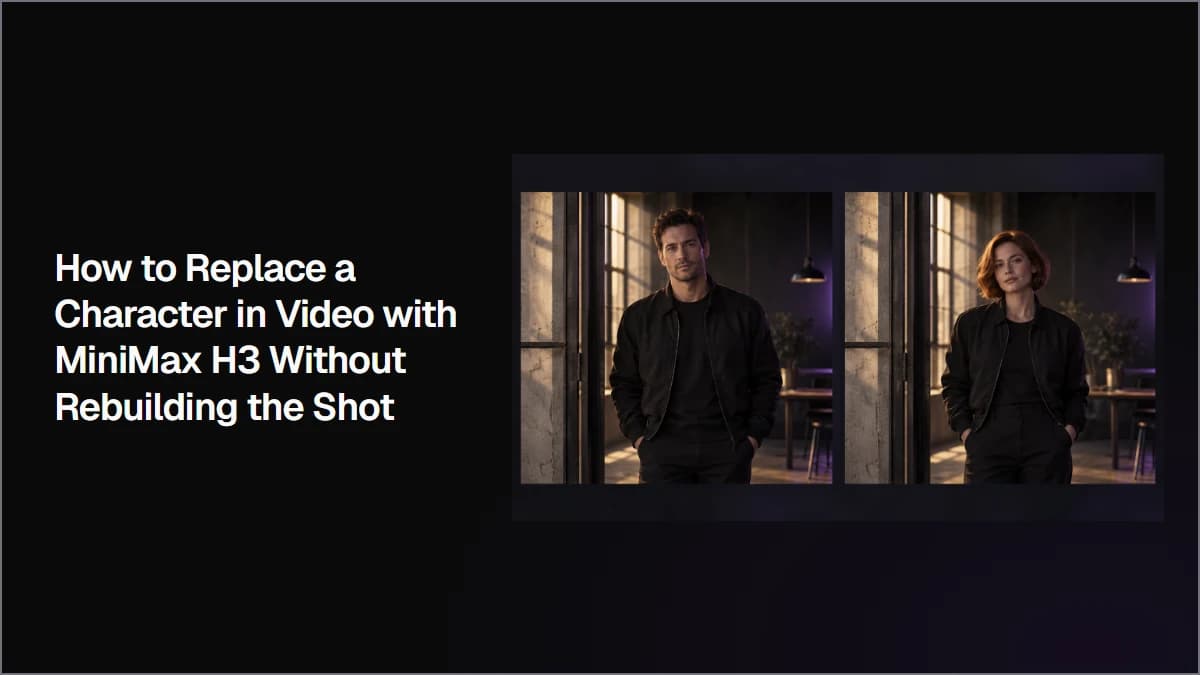
Replace a character in an existing MiniMax H3 video by using the source video to guide movement, timing, and camera behavior while a new character image defines the replacement identity. This workflow shows how to preserve an approved performance without regenerating the entire shot.
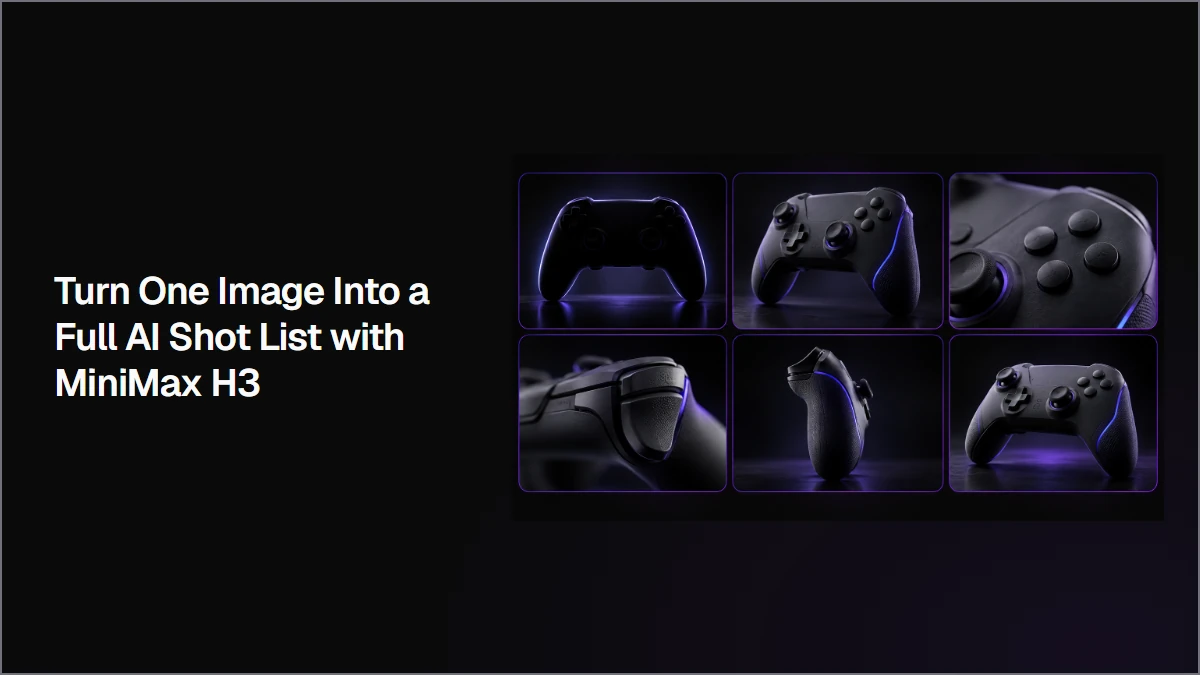
Turn one approved product image into a full AI shot list by planning the shots together and generating them separately. This workflow shows how to create a six-panel shot sheet, crop each composition into an independent reference, and generate separate MiniMax H3 clips for a final product edit.