ASTORIE PROMPT LIBRARY

Find your next idea.

Discover the result. Find the prompt. Make it your own.

Explore prompts

100 prompts

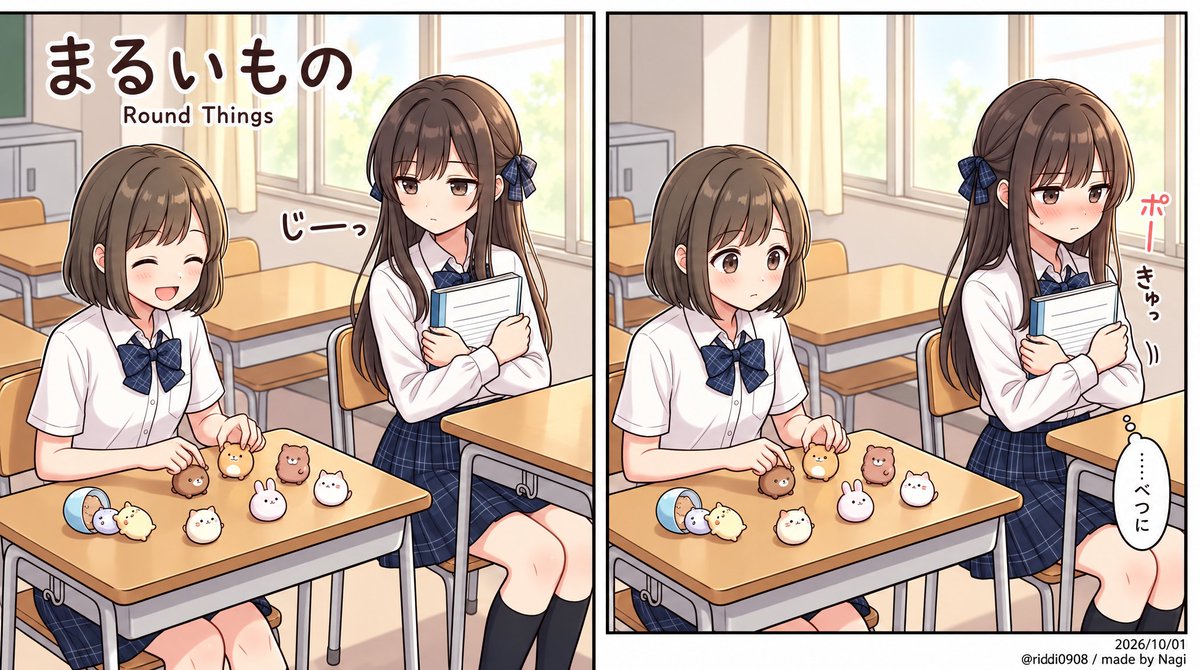
Round Things Manga Panel — output 1
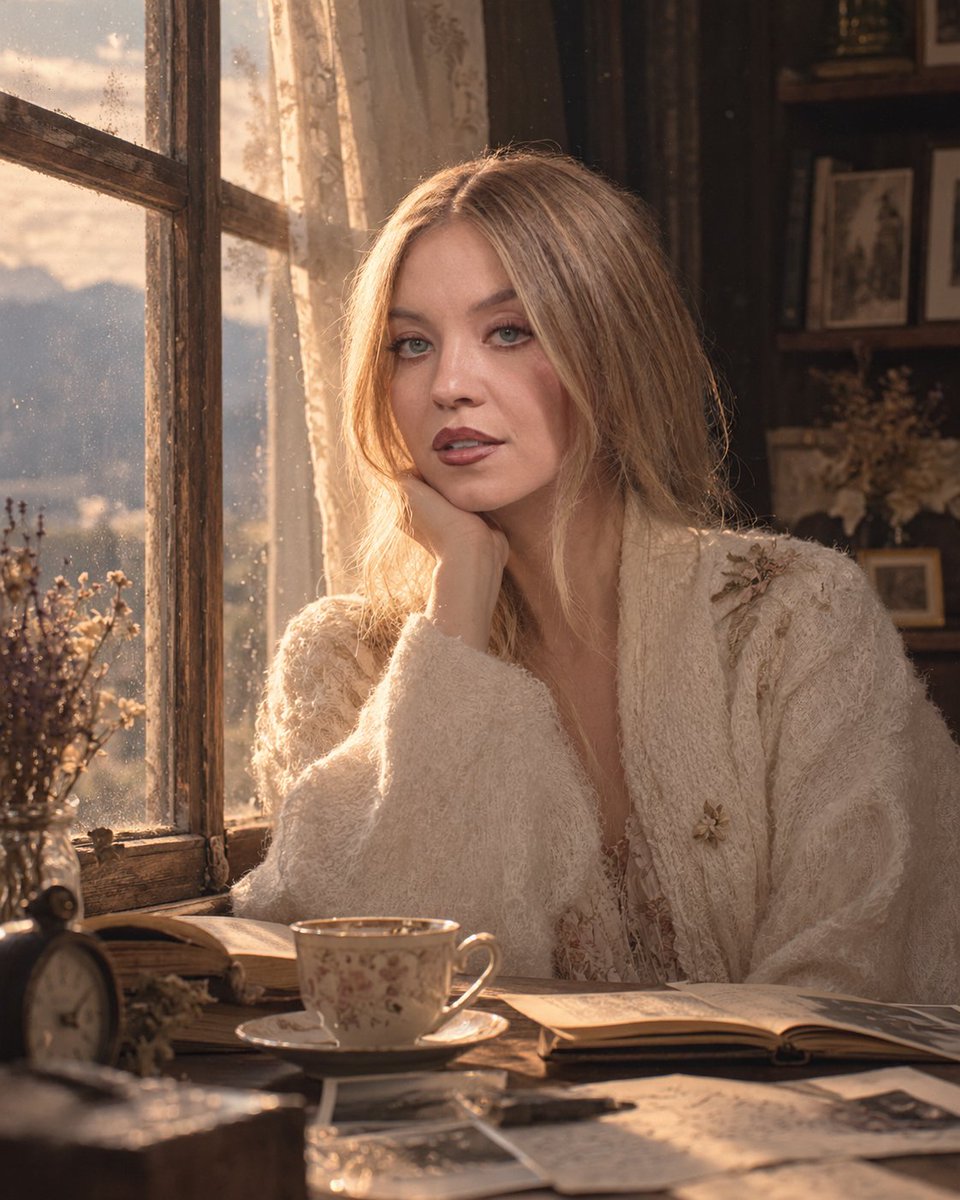
Cinematic Portrait of Inner World — output 1

Cinematic Portrait of Inner World

simeon-sanaiGPT Image 2.5
Create an exceptionally artistic cinematic portrait of a person, designed as a visual representation of their quiet inner world.

Show the person standing beside a large old window in a softly lit vintage room. Their face and identity remain natural, realistic, and highly detailed. They are not posing directly for the camera; instead, capture a subtle candid moment as they look slightly away, as if lost in thought.

The room should feel like a collection of memories: an open old book, a half-filled teacup, handwritten notes, dried flowers, a small vintage clock, scattered photographs, and delicate curtains moving slightly in the breeze.

Create a beautiful contrast between warm sunlight entering through the window and soft cool shadows surrounding the subject. Let tiny dust particles float through the light, creating a dreamy atmospheric glow.

Use muted earthy tones, warm ivory, faded brown, dusty beige, soft sage, and subtle golden highlights. Natural skin texture, realistic eyes, delicate hair strands, soft fabric details, cinematic depth of field.

Add subtle visual storytelling: reflections in the window should contain faint, almost imperceptible fragments of landscapes, clouds, trees, and distant mountains, as though the person's memories are quietly appearing in the glass.

Composition should feel like a frame from an intimate arthouse film — elegant, peaceful, nostalgic, sophisticated, emotionally expressive without being dramatic.

Editorial photography + cinematic realism + fine-art portraiture + nostalgic film grain + soft natural light + subtle analog texture.

No excessive makeup, no artificial beauty retouching, no exaggerated pose, no fantasy costume, no plastic skin, no text, no watermark.
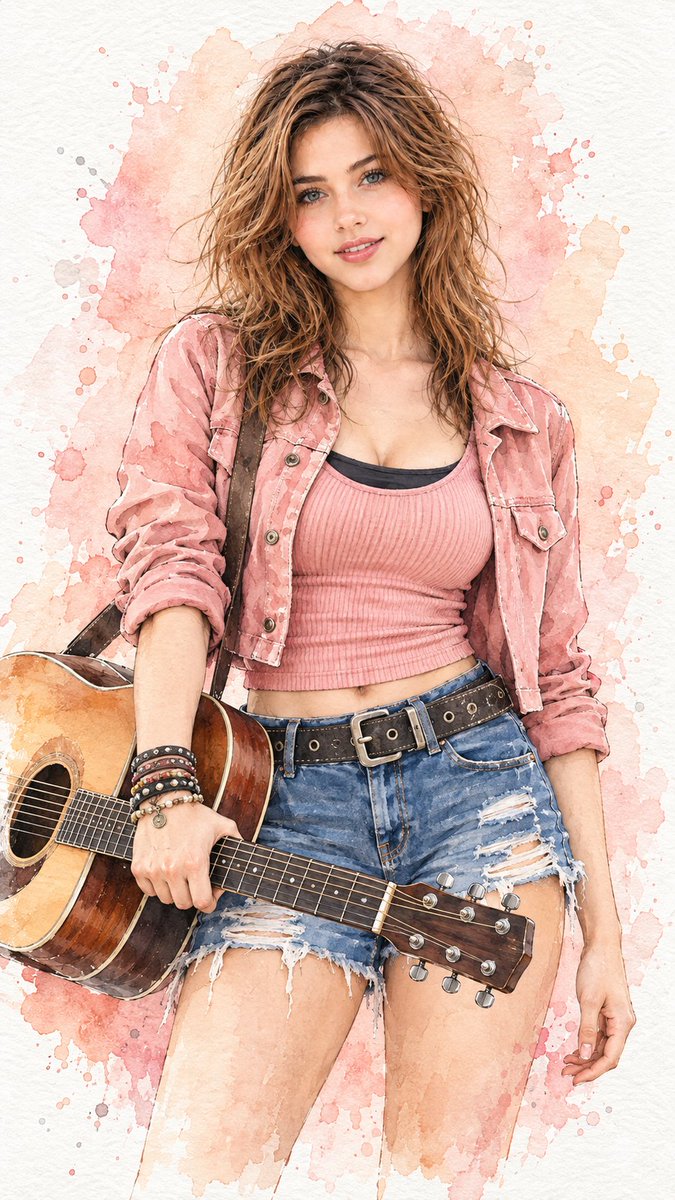
Watercolor Guitarist Illustration — output 1

Watercolor Guitarist Illustration

Gopal TiwariGPT Image 2.5
Hyper-realistic IMAX-level Netflix-style watercolor fashion illustration, 9:16 vertical. Use the uploaded image as the primary visual reference and preserve the exact facial identity, proportions, and defining features. Create a woman wearing a dusty-pink cropped jacket over a ribbed pink fitted top with a dark inner layer at the neckline, distressed blue short jeans and layered bracelets, standing upright with a relaxed slight lean, her torso facing mostly toward the viewer, left arm hanging naturally beside her thigh while her right arm bends forward and her right hand grips the neck of a guitar-like instrument crossing horizontally in front of her waist; her shoulders stay relaxed and her stance feels casual and confident. Her face tilts slightly upward and toward the camera with a bright gentle smile, softly raised cheeks, relaxed eyes looking directly forward, naturally lifted brows, relaxed jaw and softly closed lips, giving her a cheerful, warm and carefree expression. Her medium-length dark-brown hair is worn loose with a slightly messy natural texture, soft waves and uneven flowing strands around the shoulders, a loose center-to-slight-side part, wispy strands crossing the forehead and several fine flyaways extending outward to create an airy hand-painted movement. Fair luminous porcelain skin with a bright ivory to light beige tone and a neutral-cool undertone, rendered with delicate watercolor texture and soft translucent blush on the cheeks. Keep the background mostly white textured watercolor paper with a large irregular pale peach-pink watercolor wash behind the figure, with softly feathered edges and a few scattered paint splashes. Use gentle diffuse illustrated lighting with soft highlights along the face, hair and jacket and very subtle shadow washes beneath the chin, hair and clothing folds. Colour grade with a soft pastel palette of blush pink, dusty rose, muted blue, warm beige and clean ivory, low contrast, delicate saturation, creamy highlights and very light grey shadows. Apply a refined watercolor-and-fine-ink filter with visible paper grain, translucent layered pigment, soft pigment bleeding, delicate brush edges, subtle ink outlines and natural colour variation while keeping the face and important details clean and expressive.
Negative prompt: changed identity, distorted anatomy, extra fingers, malformed hands, broken instrument, harsh digital rendering, photorealistic skin, 3D CGI, muddy colours, text, watermark.

Kinetic Typography Speech Visualization

GadgetifyClaude Opus 5.5
Create a 20.00-second kinetic spoken-word film titled “BUILD THE FLOOR.”
Treat this as an original miniature speech staged inside a typographic field. Every line reorganizes the field of the frame. The final declaration must stand on a field that finally lies flat.
Deliver one self-contained HTML file, 1080×1080, targeting 60fps, using SVG and/or Canvas. Embed all required assets.
ART DIRECTION
Background #102820. Letterforms # F4E9D5. Field lines and filings # F2B544. A magnetic-monument world: streamlines, flux, stillness at the null. Typography stays crisp; particles are atmosphere only. High-contrast serif for the speech, heavy grotesque for load-bearing words, restrained monospace for flux gauges. No horseshoe magnets, lightning, electron diagrams, or sci-fi arcs.
ORIGINAL SPEECH — EXACT WORDS, EXACT ORDER
“We were told to wait.”
“So we learned the weight of waiting.”
“Then one voice made room.”
“Then another.”
“Now the floor belongs to us.”
Do not attribute these words to any real person. No extra slogans. The complete speech must be understandable without audio.
CENTRAL VISUAL RULE
Words have assigned field roles. WAIT is a repelling plate; letterforms lean away from it, kerning compressed. WAITING is field lines sagging under load while filings stream toward the low side. VOICE is one pole reversed; the field reorganizes and letters stand upright along it. ROOM is a null point, a still eye inside the field. FLOOR is the field flattened into a horizontal plane. These roles must emerge from the actual letterforms responding to the field, not from illustrations.
STORYBOARD
0.00–3.00 — “We were told to wait.” The sentence leans away from the WAIT plate; streamlines compress against it. Available space pinches on the plate side; the sentence remains readable, pressed but intact.
3.00–6.50 — “So we learned the weight of waiting.” Reveal in phrase groups. Field lines sag deeper with each phrase. Filings — deterministic, hash-seeded per id and time — drift along the streamlines toward the low side and gather. The WAITING glyph hangs tilted inside the field as a suspended load.
6.50–10.00 — “Then one voice made room.” VOICE enters; one pole reverses. The field reorganizes: old streamlines retract by dash-offset while new ones draw in. Letters rotate upright along the new field — analytic rotation of whole glyphs, never path morphing. ROOM opens as a null point, a still eye; the counter of the O in ROOM is its center, and the next composition sits calm inside it.
10.00–12.50 — “Then another.” A second pole turns. The field becomes symmetric; every letter stands vertical. The baseline levels into the first perfect horizontal in the film. Hold absolute stillness for at least 400ms — even the filings pause.
12.50–16.00 — “Now the floor belongs to us.” The field flattens into a horizontal plane. All text aligns to this new ground. The final word 'us' settles firmly. Ensure the transition from dynamic field to flat plane is smooth and visually impactful.

Find your next direction

ASTORIE CANVAS

Take the idea further.

Bring your prompts, references and results together in one creative space.

Open your canvas ↗