A creative transformation prompt that converts photos into architectural sketches and minimalist design posters with a focus on spatial relations and artistic negative space.
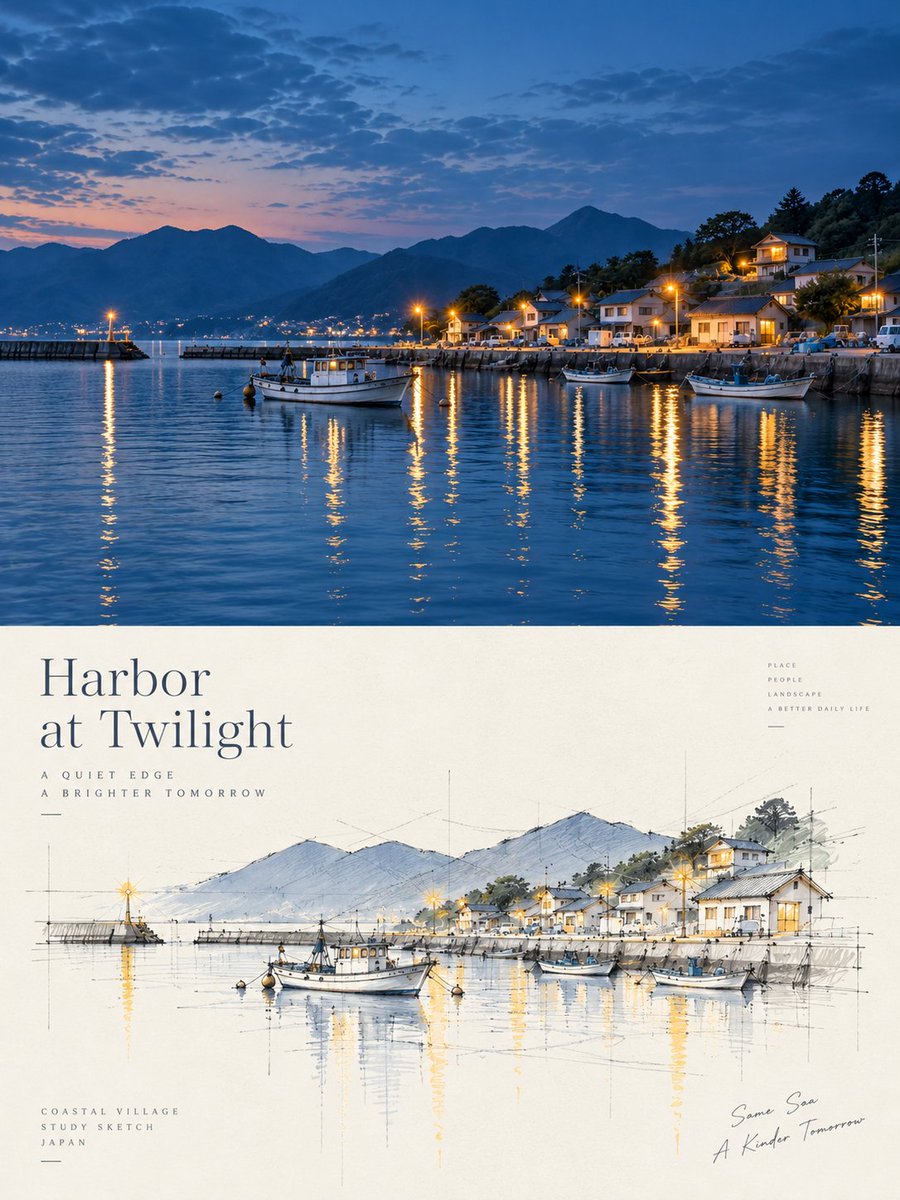
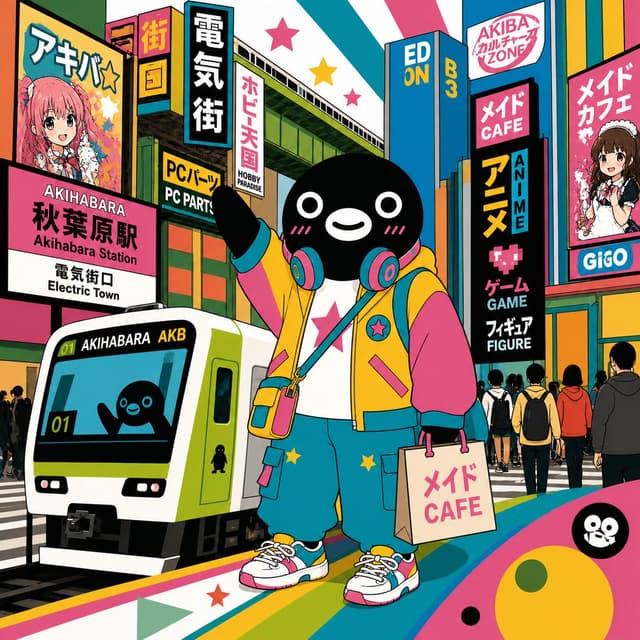
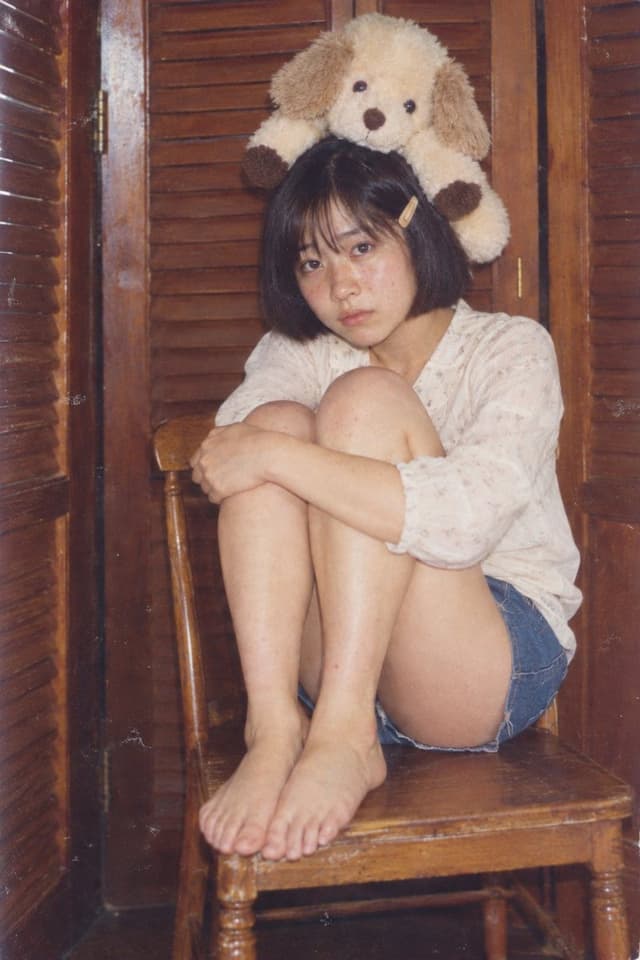
Please create each photo I upload into an independent, high-end design poster, no multi-image stitching, each photo output separately. The overall composition adopts a 3:4 vertical layout, with the upper and lower areas strictly 1:1 in height, each occupying 50% of the screen. The upper part retains the original photo, maintaining the subject identity, structure, posture, real texture, natural light and shadow, and the original color atmosphere, with only slight high-end color grading to give it the texture of art magazines and exhibition images. To adapt to the frame, the environment background can be naturally expanded, but the subject must not be stretched, distorted, or changed. The lower part extracts only the most recognizable subject, outline, structure, posture, and narrative relationship from the photo, and reconstructs it into an architectural concept perspective sketch / architectural design presentation hand-drawing. Do not keep the full scene, do not copy the photo object by object; actively delete most of the background, surroundings, and irrelevant details, leaving only the core forms, spatial relationships, and visual memory points that best represent the original theme. The lower part re-evaluates the artistic judgment. Even if the original composition is poor, the background is messy, or the subject is small, it should be rescued into a valid work through deletion, reorganization, cropping, scale changes, and white space, truly giving the model the power to re-direct the scene. The drawing style uses freehand perspective line drawings + a small amount of selective color blocks. The lines are relaxed, restrained, slightly repetitive, and punctuated, allowing for a small number of auxiliary lines, extension lines, construction lines, and geometric reference lines of architectural drawings to form a clear sense of design deliberation. Color is only lightly applied in a few key parts to emphasize the subject, structural levels, local shadows, or spatial focuses, and other areas are mostly left unpainted. The screen must be centered on a large amount of conscious white space. The subject should be smaller and more refined, with large areas of other spaces left empty. White space is not just an empty background, but a part of the composition, forming a sense of breath, space, and rhythm together with the subject, line drawings, reference lines, shadows, and a small number of color blocks. The subject can be off-center, edge-aligned, partially cropped, or scaled down; it is better to draw less than to fill it up. A small amount of geometric shadow color blocks can be added to strengthen volume, depth, and spatial layers, but avoid heavy rendering, complex environments, and a realistic rendering feel. The background remains minimalist, retaining only a very small amount of necessary site suggestions. The color scheme extracts 2-4 of the most recognizable and vibrant colors from the photo above and rearranges them into a cleaner, more restrained, and appealing sketch color palette. The overall can be appropriately brightened, purified, and desaturated, mainly using off-white, light gray, warm gray, soft green, light wood color, light blue-gray, etc., with a small amount of more vivid but not dazzling accent colors reserved locally. Avoid dirty gray, dullness, excessive vintage feel, and cheap high-saturation. Text intervention is minimal and editorial, with no language restrictions. A few words, short phrases, or notes can be generated based on the subject, location, action, or emotion, quietly placed in the white space, forming a restrained graphic-text relationship with the image. The overall presentation is a high-end visual effect composed of architectural concept hand-drawings, free line drawings, geometric reference lines, a small number of color blocks, geometric shadows, massive white space, and editorial layout. Avoid complete scene retention, object-by-object duplication, complex backgrounds, full-frame coloring, realistic renderings, thick strokes, cartoonish feel, 3D feel, and template-like expressions.