Prompts for educational graphics

Explore a travel-poster example that brings architectural details into a graphic layout. Use its prompt as a starting point for deciding what your own visual should explain.

Explore prompts

612 prompts

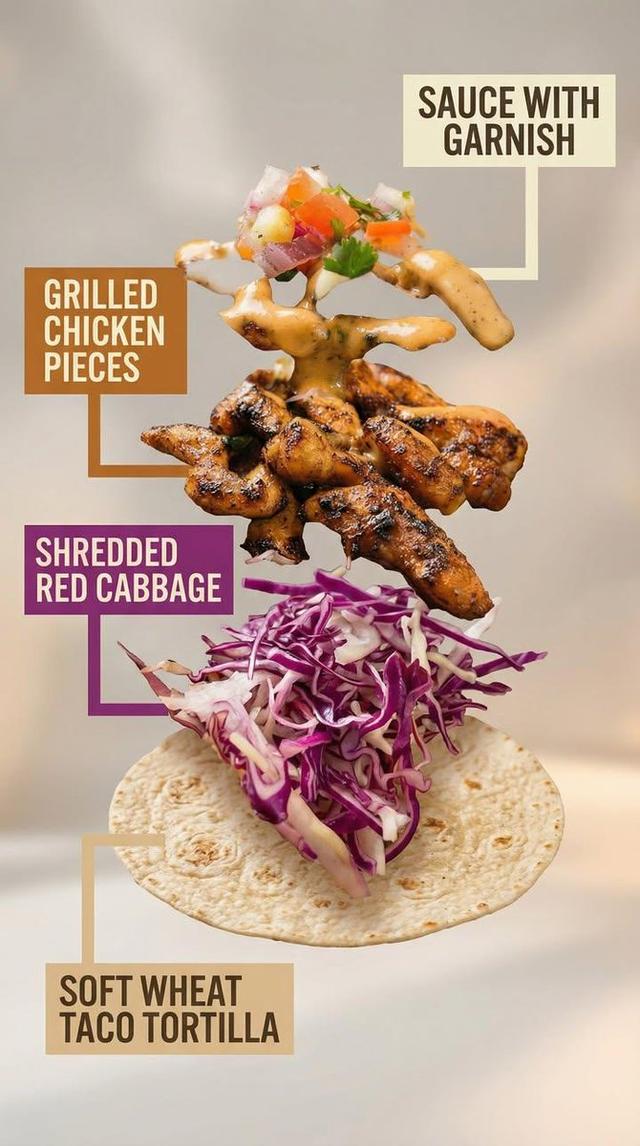
Infographic / Edu Visual - Exploded View Taco Visualization and Commercial Food Photography Prompt — output

Infographic / Edu Visual - Exploded View Taco Visualization and Commercial Food Photography Prompt

𝐌Nano Banana Pro
Motion Prompt: The food start to round spin while ingredients separate gently and precisely, maintaining alignment and scale. The motion is smooth, with no extra effects.

Image 1: A high-end commercial food photograph of the same two tacos from the reference image, preserving their exact structure, fillings, proportions, and arrangement. The camera angle is slightly adjusted to a more flattering three-quarter close-up, enhancing depth and appetite appeal without altering the tacos themselves. Soft cinematic lighting highlights the textures of the tortillas and fillings, with subtle steam and natural sheen to emphasize freshness. The background is replaced with a clean, modern, out-of-focus setting in warm complementary tones that enhance the food without distracting from it. Shallow depth of field, crisp focus on the tacos, rich contrast, natural colors, and premium restaurant advertising quality. No added or removed ingredients, refined composition, lighting, and environment.

Image 2: Exploded-view commercial visualization of the taco from the image, presented as premium recipe-style breakdown.

The taco is deconstructed into four visible ingredients, matching the original taco precisely in composition, color, and texture. No additional ingredients.

The ingredients are separated and arranged in a clean vertical stack, evenly spaced from bottom to top, floating in place with precise alignment and symmetry.

Ingredient order (bottom → top):

Soft wheat taco tortilla

Shredded red cabbage

Grilled chicken pieces

Sauce with garnish (topped with a small mixed garnish of diced onion, tomato, and parsley, approximately 5–6 small cubes total, lightly mixed, placed naturally on top)

Each ingredient is visually distinct and clearly readable in shape and texture.

Annotation design requirements:

– Large, bold sans-serif font, high legibility at feed scale

– Each annotation placed inside a solid or softly rounded rectangular color block

– Background color of each block corresponds subtly to the ingredient color (tomato red, lettuce green, meat warm brown, sauce white/cream, pita beige)

– High contrast text (dark on light, light on dark)

– Thick, clean connector lines pointing clearly to each ingredient

– No transparency that reduces readability

– Annotations must visually dominate over background without covering ingredients

Background is soft, neutral, and atmospheric, with subtle depth and gentle gradients, inspired by premium food advertising.

Overall style is clean, modern, and appetizing, commercial-ready without technical or schematic feel.

No extra elements, no substitutions, no reinterpretation of ingredients.
Infographic / Edu Visual - Hyper-Realistic Exploded Food Infographic Prompt — output

Infographic / Edu Visual - Hyper-Realistic Exploded Food Infographic Prompt

ShaHid WaNiiNano Banana Pro
{
  "global_settings": {
    "resolution": "8K ultra high definition",
    "aspect_ratio": "3:4",
    "camera_style": "studio food photography with cinematic lighting",
    "depth_of_field": "shallow depth of field, sharp subject, soft background",
    "lighting": "soft directional key light, subtle rim light, controlled highlights",
    "style": "hyper-realistic food illustration with editorial infographic overlays",
    "composition_rules": [
      "no zoom",
      "no crop",
      "center-weighted vertical composition",
      "floating elements frozen in motion"
    ],
    "text_design": {
      "ingredient_name_color": "metallic gold",
      "ingredient_description_color": "pure white",
      "font_style": "elegant serif for titles, clean sans-serif for descriptions",
      "indicator_lines": "long, thin, smooth golden lines with rounded corners"
    }
  },

  "module_1_image_1_style": {
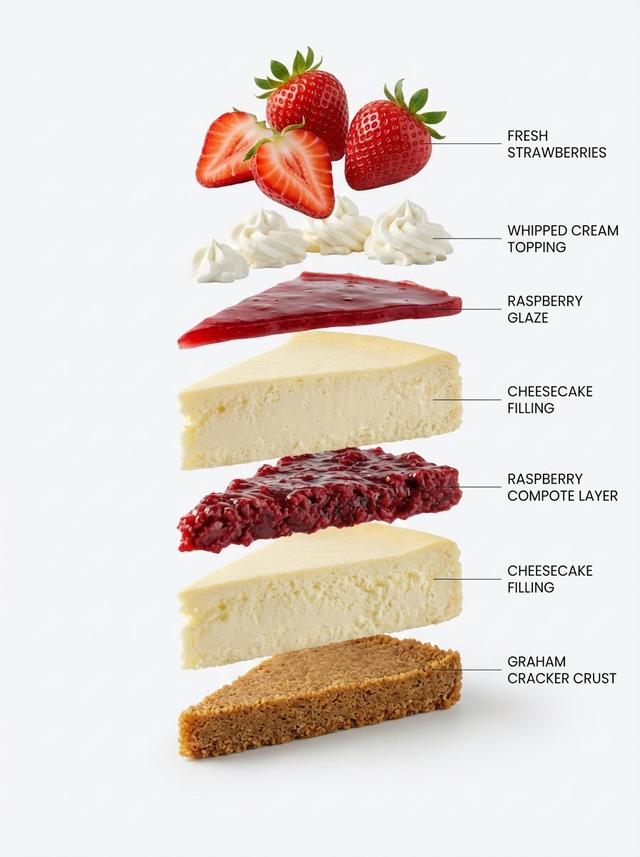
    "scene_description": "A vertical stack of assorted cake slices floating above a white ceramic plate against a soft pink gradient background.",
    "background": {
      "color": "{argument name="background color" default="soft pastel pink"}",
      "texture": "smooth gradient",
      "lighting": "even, studio-lit, no harsh shadows"
    },
    "main_subjects": [
      "multiple layered sponge cake slices",
      "white whipped cream layers",
      "raspberry cream layer",
      "chocolate cream topping"
    ],
    "visible_ingredients": [
      "vanilla sponge cake",
      "whipped cream",
      "raspberries",
      "blueberries",
      "strawberries",
      "macarons (vanilla and chocolate)",
      "chocolate bar pieces",
      "mint leaves",
      "small nut fragments"
    ],
    "motion_elements": [
      "floating fruits",
      "floating macarons",
      "crumbs suspended in air"
    ],
    "text_labels": [
      "Vanilla Cake – soft, fluffy sponge cake layered with white cream filling",
      "Macaron – creamy filling between almond meringue shells",
      "Raspberries – juicy, fresh raspberries",
      "Chocolate Bar – chunks of smooth milk chocolate",
      "Raspberry Cream – soft sponge cake layered with creamy, fruity raspberry cream"
    ]
  },

  "module_2_image_2_style": {
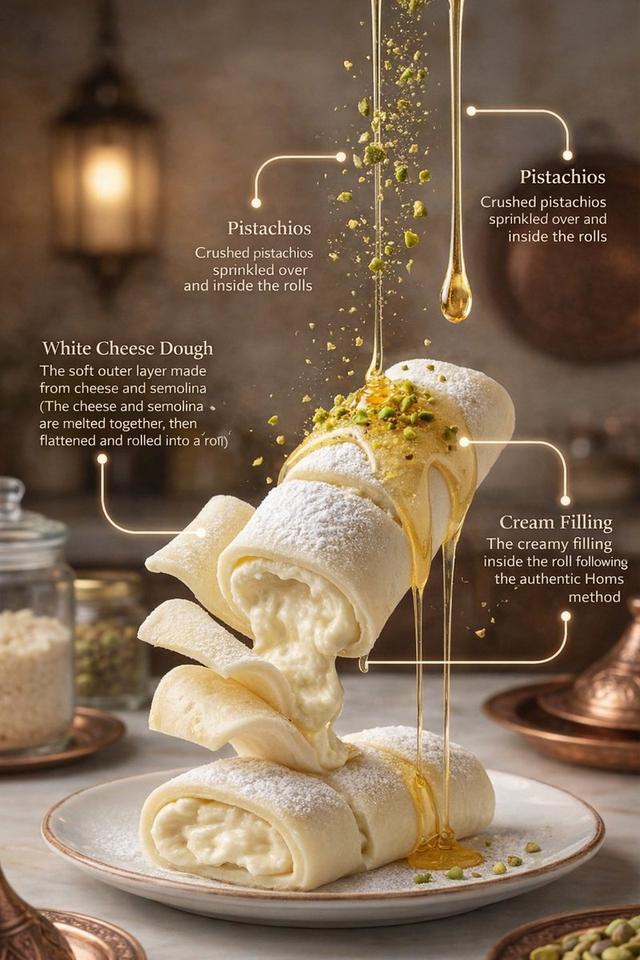
    "scene_description": "Rolled Syrian dessert presented vertically with syrup pouring from above, placed in a warm, rustic kitchen environment.",
    "background": {
      "environment": "traditional kitchen",
      "elements": [
        "warm lantern light",
        "wooden surfaces",
        "brass and copper utensils"
      ],
      "lighting": "warm ambient lighting with soft highlights"
    },
    "main_subjects": [
      "rolled white dessert dough",
      "cream filling spilling out",
      "golden syrup stream"
    ],
    "visible_ingredients": [
      "white cheese dough",
      "cream filling",
      "pistachios",
      "sugar syrup"
    ],
    "motion_elements": [
      "syrup dripping vertically",
      "pistachio cr"
    ]
  }
}
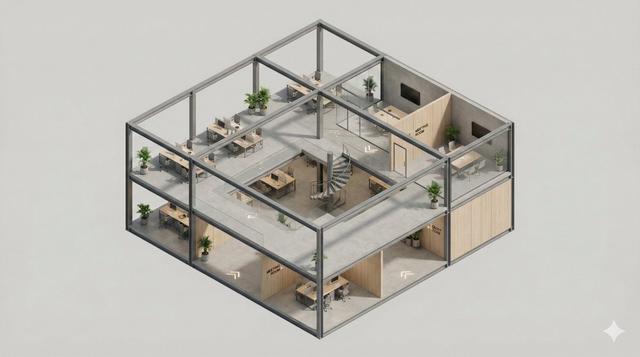
Infographic / Edu Visual - Minimalist 3D Isometric Architectural Diorama — output

Infographic / Edu Visual - Minimalist 3D Isometric Architectural Diorama

Aleena AmirNano Banana Pro
A clean, minimal 3D isometric diorama of a [{argument name="building type" default="BUILDING TYPE"}] section, featuring [{argument name="elements" default="INTERIOR / EXTERIOR ELEMENTS"}] visible in a [{argument name="style" default="CUTAWAY / OPEN STYLE"}], simple [STRUCTURAL FRAME], subtle [INFORMATIONAL SIGNAGE], smooth [MATERIAL FINISH], soft studio lighting, realistic materials, rounded edges, miniature architectural model style, high detail, neutral background.
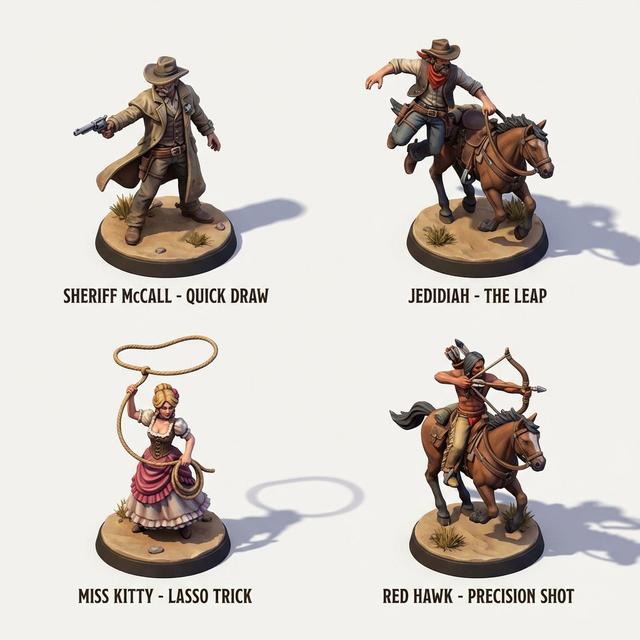
Infographic / Edu Visual - 3D Isometric Miniature Models of Western TV Characters — output

Infographic / Edu Visual - 3D Isometric Miniature Models of Western TV Characters

FavoriNano Banana Pro
Stylized and incredibly detailed ultra-high-fidelity 3D isometric miniature models showcase the core characters of the {argument name="TV series genre" default="American Western"} TV series. Each character displays a different signature move, while soft studio lighting creates stunning light and shadow effects. The highly detailed 3D models are placed on {argument name="setting" default="city streets"} against a pure white background.
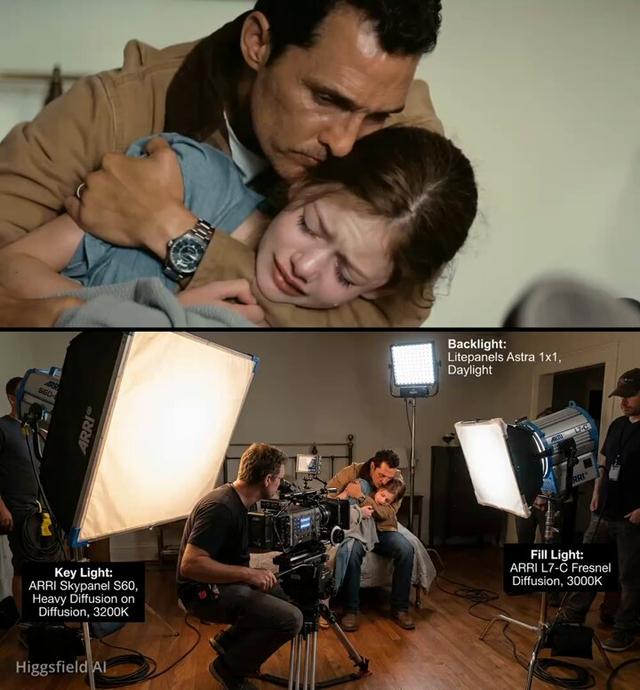
Behind-the-scenes filming setup visualization — output

Behind-the-scenes filming setup visualization

MΛRC VIDΛLGemini 3, Nano Banana Pro
Generate a realistic image that shows where the camera and lights are placed to film this scene and label all the elements that appear
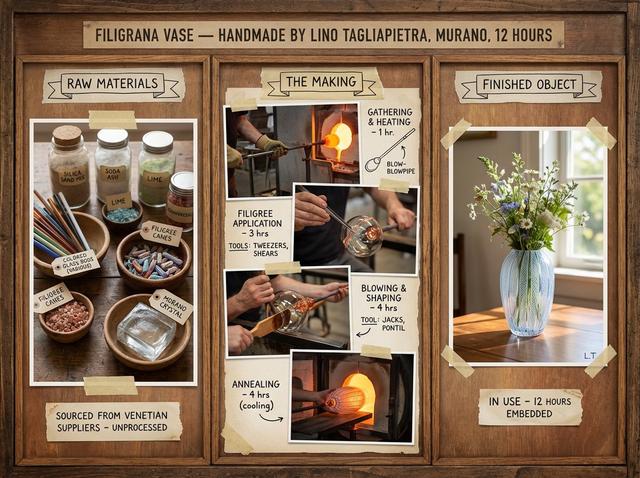
Infographic / Edu Visual - Artisan Craft Process Board for Handmade Objects — output

Infographic / Edu Visual - Artisan Craft Process Board for Handmade Objects

Alexandra AislingNano Banana Pro
An artisan's method board for [{argument name="handmade object" default="HANDMADE OBJECT"}] — [{argument name="technique" default="TECHNIQUE / TRADITION / ORIGIN"}]. Left section: raw materials in unprocessed state, sourced and labeled, the transformation yet to begin. Center section: the making documented in sequential stages, hands visible throughout, tools identified, key decision points annotated, time invested at each phase noted. Right section: the finished object in use context, bearing the maker's mark, fulfilling its purpose, the hours invisible but embedded. Visual style transitions from raw material earth tones through workshop warmth to lifestyle context with natural light. Title block reading "[{argument name="object name" default="OBJECT NAME"}] — HANDMADE BY [MAKER], [LOCATION], [HOURS] HOURS".
Infographic / Edu Visual - High-Fashion Zootopia Miniature Visualization — output

Infographic / Edu Visual - High-Fashion Zootopia Miniature Visualization

WillyNano Banana Pro
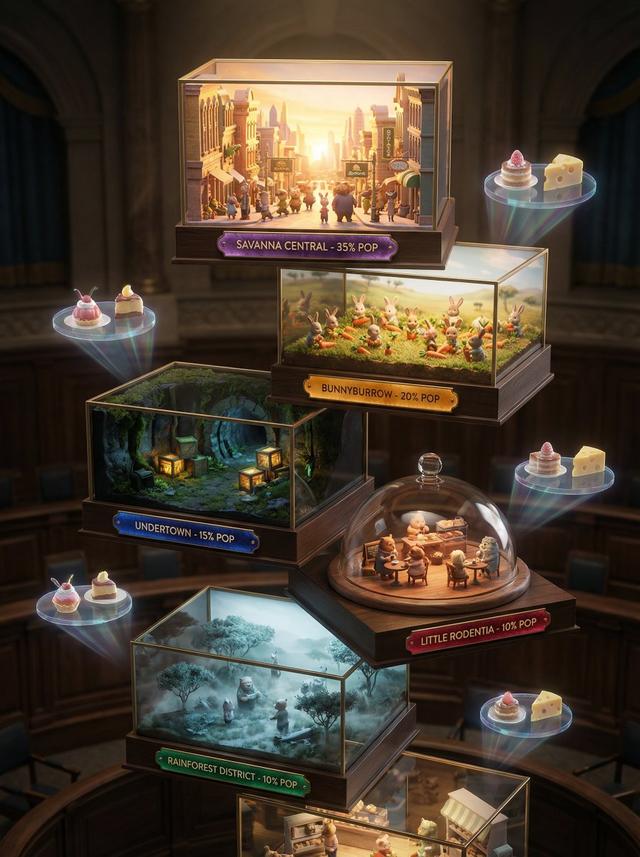
A 3D miniature Zootopia visualization, no human model, showcasing seven artistic miniature stages: bustling Zootopia streets kissed by sunrise, tiny animal citizens harvesting carrots, dimly lit underground tunnels with precise rows of produce crates, intimate city cafe gatherings, ethereal misty morning savanna ambiance. Each tier displays district name, population percentage, and Zootopia Gazette tasting notes designed like precious gems. Backdrop evokes an expensive city hall setting, utilizing strong chiaroscuro lighting to create a high-fashion editorial ambiance. Shot with Hasselblad H6D-100c, 100mm f/2.2, extremely shallow depth of field with exquisite bokeh. Holographic displays of carrot cake pairing suggestions drift subtly, featuring artisanal cheese pairings for whites, intense dark chocolate for reds. The color story shifts from deep earth tones and jewel tones for full-bodied wines to icy greens, silvery golds, and champagne hues for crisp varietals.
Infographic / Edu Visual - Literary Curator and Typewriter Sculptor Prompt — output

Infographic / Edu Visual - Literary Curator and Typewriter Sculptor Prompt

GadgetifyNano Banana Pro
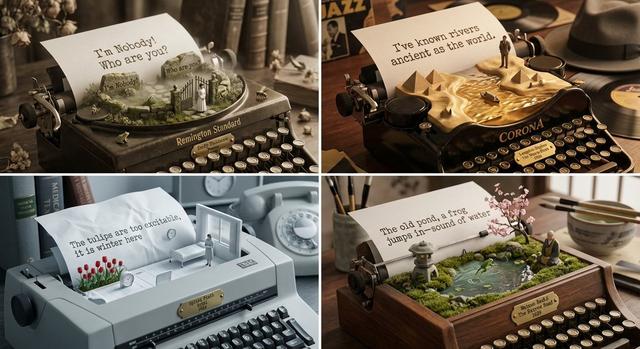
Role: Literary Curator & Typewriter Sculptor
Input: {argument name="input" default="[Poet or Poem, e.g., T.S. Eliot, Pablo Neruda]"}
Phase 1: Poetic Voice Analysis
Identify the poet's signature rhythm, recurring imagery, and emotional core
Select 4 contemporary or lesser-known poets with parallel sensibilities
Extract 5-8 physical objects mentioned repeatedly in their work
Phase 2: Visual Execution
Goal: 2x2 Grid of "Typewriter Output as 3D Landscapes"
Rules per Panel:
The Base: A vintage typewriter (different model per poet's era)
The Paper: A single sheet of paper loaded in the roller
The Transformation: The typed text physically rises from the page, forming a 3D topographical landscape
The Words: Key lines from the poem carved into the terrain like engraved stone
The Symbols: Miniature objects from the poem placed in the landscape (tiny boat, rose, clock, door)
The Poet: Microscopic figurine of the poet wandering through their own words
The Mood: Lighting matches emotional tone (fog for melancholy, harsh light for anger, soft gold for longing)
The Metadata: Brass typewriter key showing "Poet | Collection | Year" **background: poet and poet era relevant items in the background.
Output: 2x2 Grid, Macro Photography, shallow depth of field
Claymation day phases infographic for kids — output

Claymation day phases infographic for kids

Jaclyn KonzelmannGemini 3, Nano Banana Pro
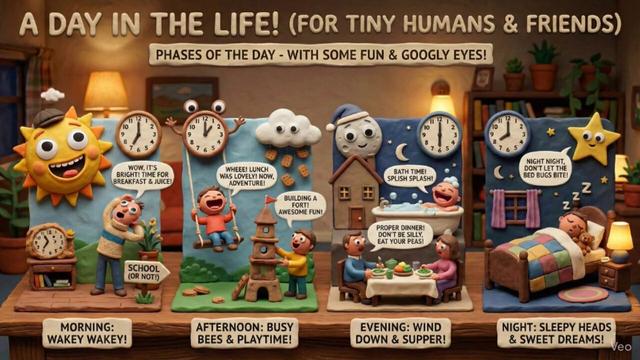
Create an infographic that explains the phases of the day, perfect for a {argument name="child_age" default="6-year-old"}, in the style of distinctive claymation with wide expressive mouths, googly eyes, and charming humor. Matte clay textures, handcrafted props, and warm, practical set lighting define the look.
Fridge-scan recipe infographic — output

Fridge-scan recipe infographic

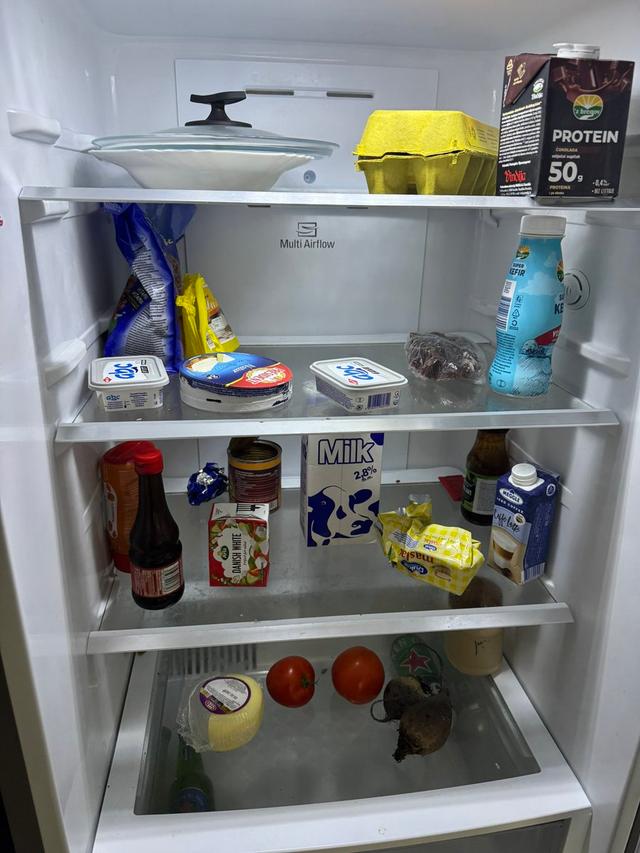
AmirMušićGemini 3, Nano Banana Pro
Scan what’s inside the {argument name="container_en" default="fridge"} and suggest what can be cooked with the available ingredients, providing a detailed step-by-step recipe presented as a simple infographic.
Vintage cookbook-style recipe illustration — output

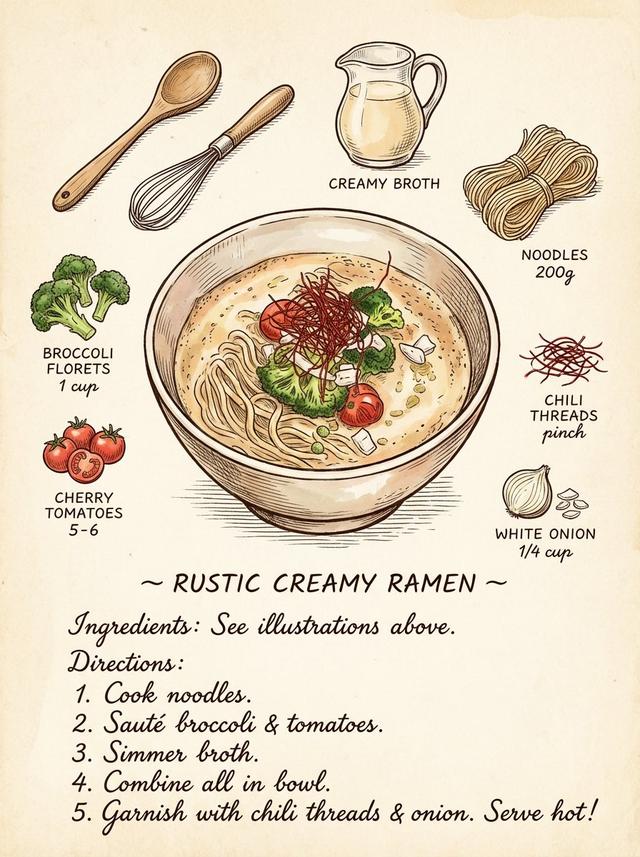
Vintage cookbook-style recipe illustration

Kris KashtanovaGemini 3, Nano Banana Pro
Turn this {argument name="dish_en" default="ramen"} into a cute recipe page with illustrations in the style of a hand-drawn vintage cookbook. Surround the main dish with carefully drawn ingredients, including labels, measurements, and utensils like bowls, whisks, or spoons. To create a homey, nostalgic feeling, use textured shading, warm pastel colors, and fine, ink-like outlines. Add handwritten-style recipe text, integrating the ingredients and directions organically into the layout. Make sure the page feels both artistic and educational, combining colorful illustrations with a classic cookbook aesthetic.
Knolling-style exploded flat-lay photo — output

Knolling-style exploded flat-lay photo

TechHallaGemini 3, Nano Banana Pro
Ultra-realistic 8K flat-lay photo in strict knolling style. A top-down 90º shot of the object from the attached image, fully disassembled into {argument name="min_parts_en" default="8"}–{argument name="max_parts_en" default="12"} key parts and arranged in a clean grid or radial pattern on a minimalist {argument name="surface_material_en" default="wooden or matte gray"} table. Use even spacing, perfect alignment, no overlaps, and no extra objects. Light the scene with soft, diffused multi-source lighting, creating subtle shadows, neutral color balance, and crisp focus across the entire frame. Show highly detailed real-world materials (metal, plastic, rubber grips, circuit boards, screws). For every part, add a thin white rectangular frame and a short, sharp English label in clean sans-serif text, placed next to the component without covering it; annotations must be legible but unobtrusive.
Presentation slide about PLM and digital thread — output

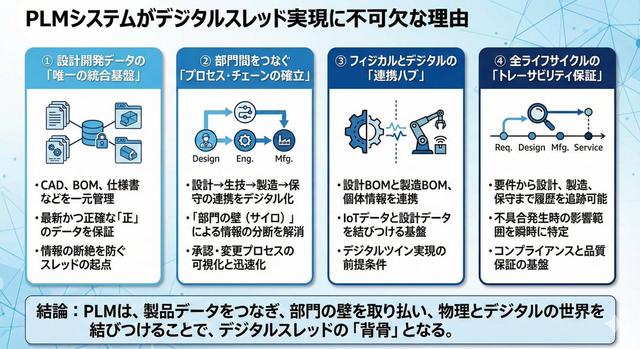
Presentation slide about PLM and digital thread

PLM_GuyNano Banana Pro
With the title “{argument name="title_en" default="Why PLM systems are essential for realizing a digital thread"}”, first think through and list the elements that support this message, then turn them into a single presentation slide.
Shoulder-stretch infographic for neck and shoulder stiffness — output

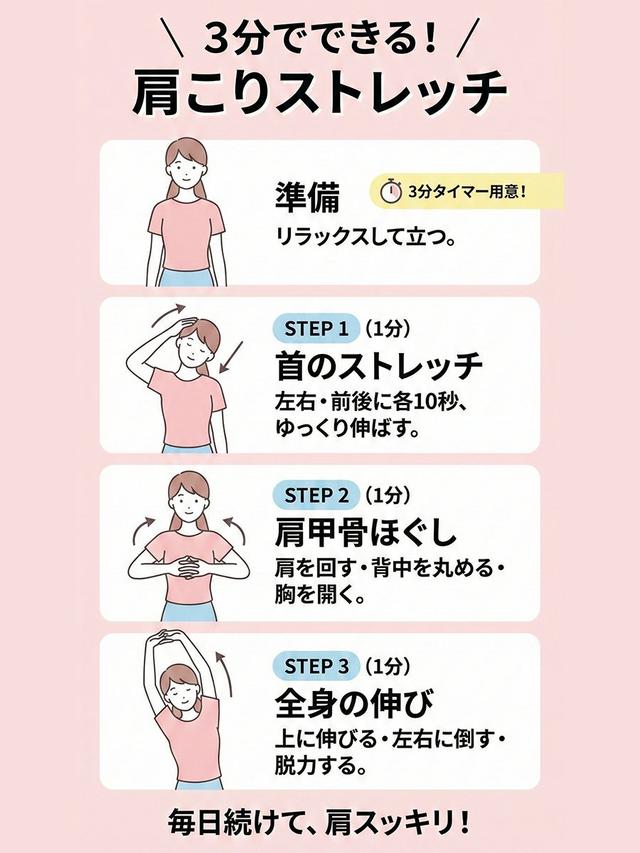
Shoulder-stretch infographic for neck and shoulder stiffness

みなと|AI副業Nano Banana Pro
Please create an illustration-style diagram about “{argument name="topic_en" default="A shoulder-stretch routine you can do in 3 minutes"}.” Use minimal illustrations, with a female model. The size should be 3:4.
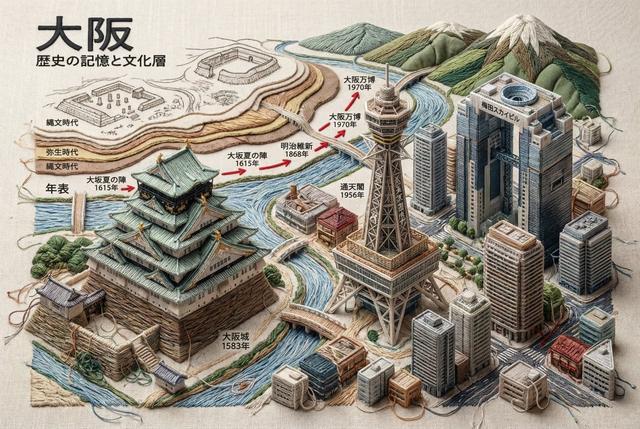
Infographic / Edu Visual - Embroidered 3D Isometric Cityscape Textile Art — output

Infographic / Edu Visual - Embroidered 3D Isometric Cityscape Textile Art

あかおじ【AIで自動化】Nano Banana Pro
Ultra-realistic 3D Isometric Cityscape Embroidery - Complete Textile Art

^^^^^^^^^^^^^^^^^^

A textile masterpiece depicting the historical memory, cultural layers, architectural evolution, and current identity of **{argument name="city name" default="[Enter City Name]"}**, where all architectural structures are entirely constructed using embroidery and weaving techniques. The entire scene exists on a base of linen or raw canvas fabric.

🚫 Absolute Material Rules (Important)

❌ Forbidden Materials:

Stone, concrete, metal, glass, wood, plastic
✅ Allowed Materials:

Embroidery thread, bundles of thread, fabric folds, textile padding, layered stitching, knots, seams, weaving textures only
Core Concept - Architecture as Textile Sculpture

Architecture is interpreted as sculptural embroidery. Volume is created by:

Extreme relief embroidery (high-relief stumpwork)

Vertically stacking thick bundles of thread

Multiple overlapping stitch directions
Soft padded fabric cores completely wrapped in thread
⚠️ Structure must appear physically sewn, not modeled.
Thread Density and Hand-Made Imperfection - Mandatory

All architectural forms must have densely layered thread and heavy-looking seams.

✅ Structures should look:

Over-embroidered

Carefully crafted stitch by stitch

Slightly imperfect
Hand-made
Edges and Thread Behavior - Mandatory
All buildings, monuments, and woven structures must include the following elements:
✅ Mandatory Elements:

Visible frayed thread ends

Frayed embroidery edges

Microscopic thread fibers extending from seams

Slightly undone stitch tips at corners
Edge Characteristics:
Soft, sewn, fiber-based feel
Organic, sewn contours with hanging threads
Tactile edges

❌ Forbidden:
Sharp edges
Perfect contours
Clean 3D shapes

⚠️ Important: Buildings must never give a rigid impression. All corners are:
Separated by stitching
Softened by overlapping thread
Slightly rounded by fabric tension

Thread knots, stitch junctions, and small thread ends are visible
Handmade Authenticity Rule
The entire scene must feel:
Handmade
Tactile

Created in a textile atelier

✅ Acceptable Features:

Slight variations in stitch tension
Differences in thread thickness
Subtle unevenness in placement
❌ Forbidden: Perfect symmetry

Embroidery Content Section (Mandatory)
1. City Identity and Geographical Location
City name in thread embroidery
Geographical location via stitched map contours

Strategic importance as a stitched annotation

Trade routes via thread flow

Embroidered compass and edge annotations

2. Iconic Buildings and Construction Dates
Name, construction year, civilization, function
Flat contour stitching with adjacent embroidered date tags
Layered, 3D embroidered architectural forms completely constructed with thread
3. Historical Layers and Ancient Civilizations
Example: Ancient, Medieval, Early Modern, Modern

Delicate sketch embroidery
Semi-relief remnants
Layered textile forms
4. Major Events and Important Dates - Chronology

Founding, wars, disasters, reconstruction, modernization, etc.
Timeline embroidered with thread
Stitch direction arrows
Major dates in red thread
5. Current City - Complete 3D Embroidery Only

Bridges, towers, silhouettes
Modern architecture
Visual Continuity Rule - Absolute
✅ Mandatory: All thread flow must seamlessly connect structures, dates, symbols, and the modern cityscape.
⚠️ Important: The city must appear as a single, continuous piece of embroidered fabric.

Lighting and Technical Specifications
Lighting:
Soft atelier lighting

Side light highlighting raised embroidery

Realistic textile shadows

Technical Specifications:

8K resolution

Cinematic depth of field

Unreal Engine 5 rendering

Museum-quality textile realism
Ultra-detailed thread texture
Text Language Rule - Mandatory
All text elements displayed in the generated image must be written in Japanese.

Target Text:
City name
Historical periods and civilizations
Building names and construction dates
Cultural annotations and symbolic meanings
Map annotations and geographical descriptions

Chronology events and stitched labels

Museum-style annotations and sketch annotations

❌ Forbidden: English, foreign languages, or mixed-language text ✅ Mandatory: Only correct, legible, and context-appropriate Japanese embroidered text

Visibility Rule for Textile Base - Absolute (Important)
The embroidery must be unmistakably stitched onto a visible fabric surface.
Mandatory features of the underlying fabric:
Linen, raw cotton, or coarse canvas
Visible fabric weave (warp and weft clearly identifiable)
Natural fabric slubs, fiber irregularities, and fabric tension
Slight fabric wrinkles, folds, and creases caused by stitching
🚫 Forbidden:

Floating embroidery
Digital relief

Sculpted objects

✅ Mandatory:

All stitches, structures, and thread masses are visibly fixed to the fabric surface

Pulled through and penetrating the fabric surface
Mandatory Fabric Interaction Details
The fabric surface slightly warps due to stitch tension
Pulling the thread creates subtle depressions and raised areas
Needle entry and exit points are implied by stitch behavior

The fabric texture remains visible between dense embroidery areas
Excess Thread and Thread End Rule - Absolute (Important)
All three-dimensional embroidered elements must show visible thread excess and unfinished thread behavior.
Mandatory for all 3D objects (buildings, monuments, bridges, towers, terrain, symbols, relief text elements):

✅ Mandatory Features:
Loose thread ends protruding from the surface
Excess thread ends coming out of stitch junctions

Small loops and overlaps of thread that are not fully tightened

Slightly tangled or overlapping clumps of thread at corners and stress points

Occasional hanging thread tips casting soft textile shadows
🚫 Forbidden:
Neatly finished embroidery
Hidden or perfectly trimmed thread ends

Machine-perfect finished stitches

Smooth, sealed, or sculpted surfaces

Enforcement of Craft Authenticity

Thread ends must look:

Handmade
In progress
The work of a craftsman finishing a textile piece
✅ Acceptable Features:
Thread ends with slightly uneven length, direction, or tension
Rendering Keywords

Ultra-high density embroidery, overstitched textile structures, visible loose threads, frayed stitch ends, hand-sewn 3D textile structures, tactile fiber realism, stitched volume (not shape), thread-composed shapes
Note: This guideline is a strict standard for creating museum-quality artwork composed entirely of textiles. All rules are absolute, with no exceptions.

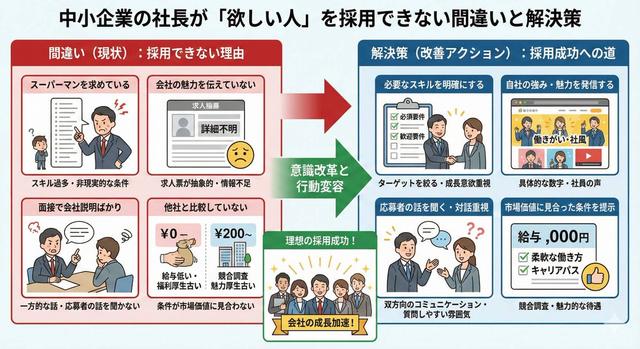
Infographic about a CEO struggling with hiring — output

Infographic about a CEO struggling with hiring

濱崎賢太郎|AI×採用で人手不足ゼロにNano Banana Pro
Create an infographic illustrating the situation of a company president who is struggling with hiring.
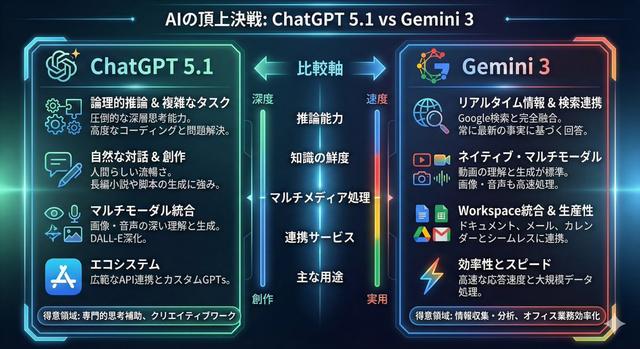
Infographic comparing ChatGPT 5.1 and Gemini 3 — output

Infographic comparing ChatGPT 5.1 and Gemini 3

MIYABINano Banana Pro
Turn the comparison between {argument name="model_1_en" default="ChatGPT 5.1"} and {argument name="model_2_en" default="Gemini 3"} into an infographic.
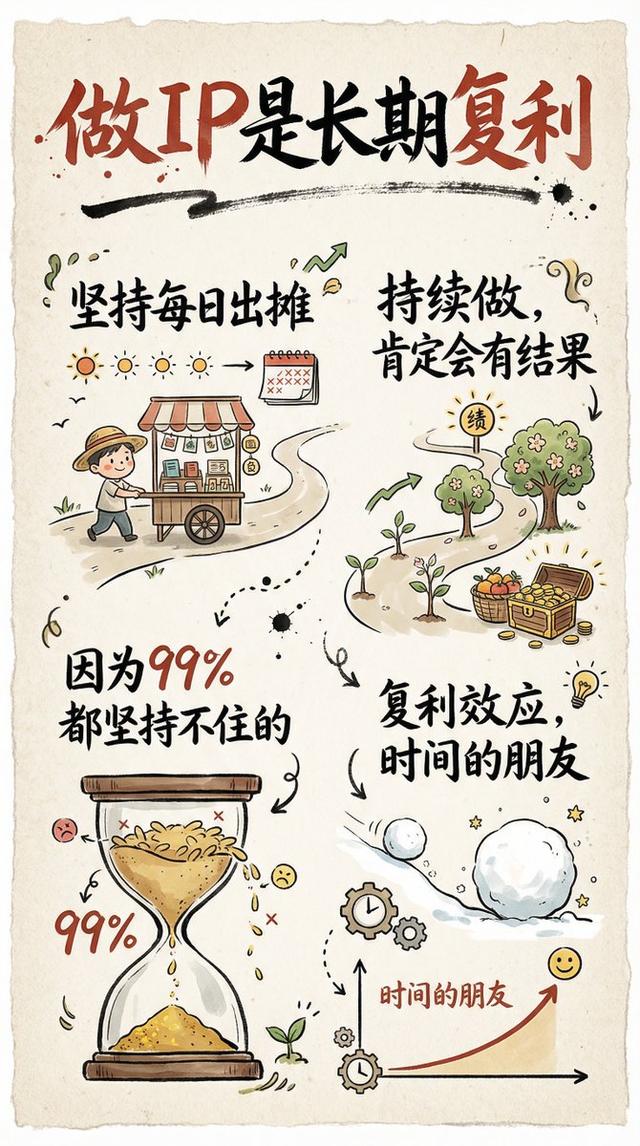
Hand-drawn infographic card about long-term IP building — output

Hand-drawn infographic card about long-term IP building

宝玉Nano Banana Pro
Create a hand-drawn style infographic card in a 9:16 vertical ratio. The card should have a clear theme, with a beige or off‑white paper-textured background and an overall rustic, friendly hand-drawn aesthetic.

At the top of the card, highlight the title in large brush-style cursive Chinese characters using a striking red-and-black contrast to draw the viewer’s eye. All text should be in Chinese cursive script. The layout is divided into 2 to 4 clear sections, each using short, concise Chinese phrases to express the key points. The font should maintain the flowing rhythm of cursive script while staying readable and artistic.

Add simple, fun hand-drawn illustrations or icons on the card, such as characters or symbolic motifs, to enhance visual appeal and spark reflection and empathy. Maintain visual balance in the overall layout and leave enough white space so the design remains clean, easy to read, and easy to understand.

The theme is: “{argument name="theme" default="Building a personal IP is a long-term compounding process; if you keep showing up daily and continue consistently, you will definitely see results, because 99% of people can’t stick with it."}”
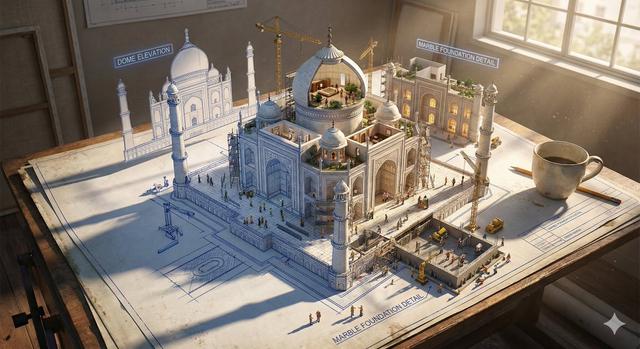
Infographic / Edu Visual - Epic 3D Architectural Blueprint Construction Scene — output

Infographic / Edu Visual - Epic 3D Architectural Blueprint Construction Scene

Grokstar GamesNano Banana Pro
Epic 3D scene: a massive architectural blueprint of [Name] pinned to a drafting table, its ink lines rising off the paper into fully realized construction. Blue lines become steel beams mid-weld, floor plans inflate into furnished rooms, elevation drawings push outward into facades with working windows. Construction phases coexist simultaneously: foundation being poured in one corner while the penthouse is already inhabited in another. Tiny workers, cranes, and scaffolding swarm the rising structure. The flat drawing and the living building merge at impossible angles. Technical annotations float as dimensional signage. Architect's coffee cup sits at the edge, casting shadow across unbuilt sections. Extreme scale contrast, construction dust catching afternoon light, 8K, photorealistic.
Infographic / Edu Visual - LLM prompt for generating a detailed travel itinerary for a trip to Japan — output

Infographic / Edu Visual - LLM prompt for generating a detailed travel itinerary for a trip to Japan

KadennNano Banana Pro
I am planning a 7-day trip to Japan. I want to visit Tokyo, Kyoto, and Osaka. Please create a detailed itinerary for me. Include specific activities, transportation methods between cities, and suggested accommodations (e.g., traditional ryokan in Kyoto, modern hotel in Tokyo). Also, include a rough estimate of the daily budget (excluding flights). Focus on cultural experiences and local cuisine.
Browse by model, style or topic

Find your next direction

ASTORIE CANVAS

Take the idea further.

Bring your prompts, references and results together in one creative space.

Open your canvas ↗